Visiting Champagne is about much more than tasting a glass of bubbly.
Across the region, Champagne houses tell stories that go back generations. Some are internationally famous names with enormous underground cellars, while others are family-run estates where you might meet the people who actually make the wine.
A visit to a Champagne house gives you the chance to see what happens behind the label. You can walk through historic cellars, learn how Champagne is produced, discover the vineyards and, of course, taste the wines in the place where they were made.
For Champagne lovers, it is one of the best ways to understand why Champagne is so much more than a famous name on a bottle.
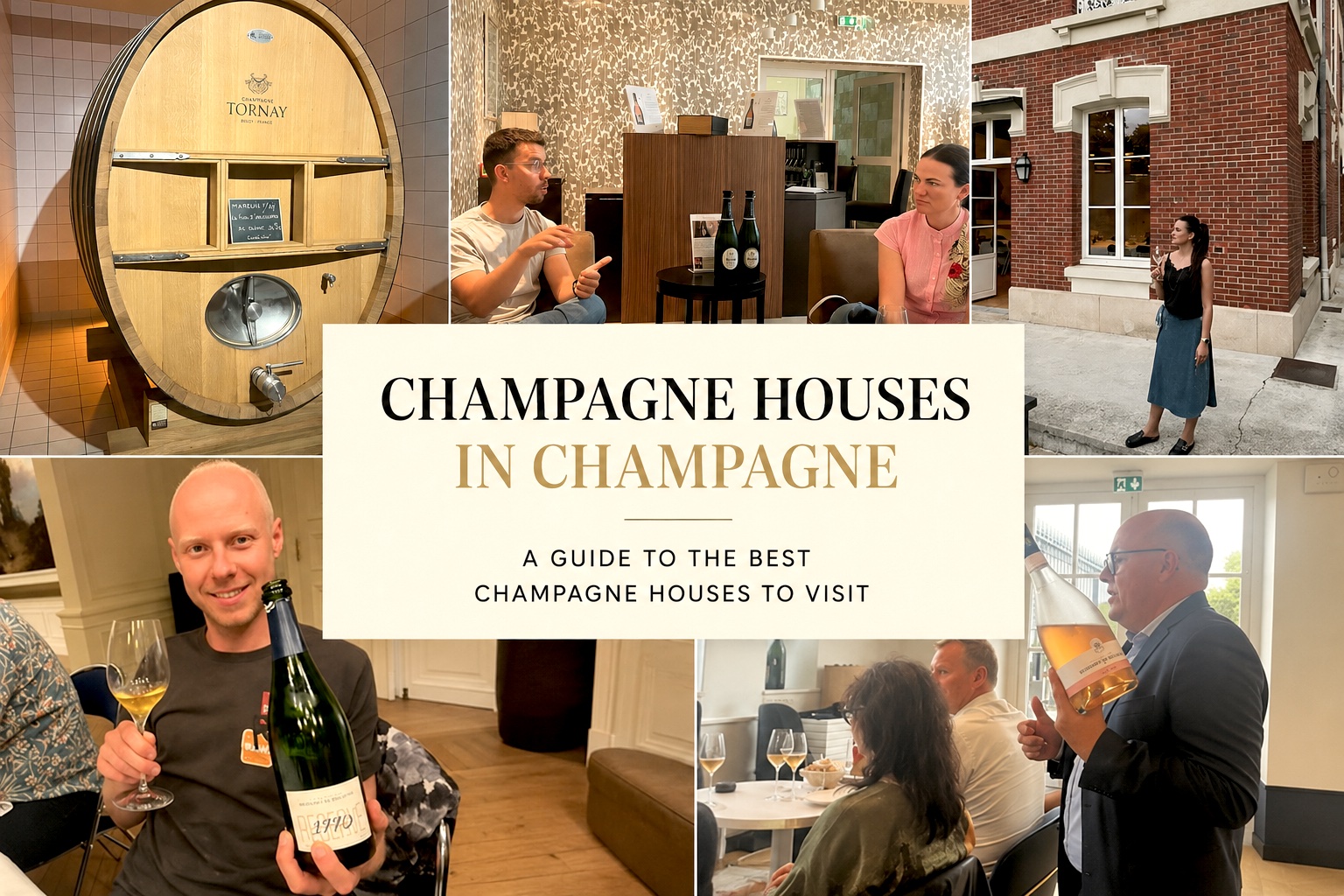
At Champagne Hunters, we have had the opportunity to visit Champagne houses of many different sizes and styles. Some visits happened during our travels through the Champagne region, while others came through relationships we have built with people in the Champagne world.
Here are some of the houses that have left a particularly strong impression on us.
Table of Contents
- Champagne Houses in Reims
- Champagne Houses in Épernay
- Champagne Houses in Aÿ and the Montagne de Reims
- Why Visit Different Champagne Houses?
- Champagne Houses Worth Visiting
- Planning a Champagne House Visit
- Champagne Is More Than the Bottle
- Frequently Asked Questions
- Discover Champagne With Champagne Hunters
Champagne Houses in Reims
Reims is one of the main centres of Champagne and a great starting point for exploring the region.
The city is home to some of the most famous Champagne houses in the world, many of which have impressive chalk cellars beneath the city.
Pommery
Pommery is one of the most recognisable Champagne houses in Reims and one of the most impressive places to visit.
The history of the house is closely connected with Madame Pommery, who played an important role in the development of Brut Champagne in the 19th century.
The visit is also about architecture and art. The enormous underground chalk cellars contain kilometres of galleries and monumental spaces, creating an experience that feels very different from a traditional wine tasting.
Our Champagne Hunters experience
Our connection with Pommery actually started before we ever visited the house itself.
We first met Pommery’s Cellar Master at the Grand Champagne Helsinki festival. After getting to know each other there, we were invited to visit Pommery in Reims.
What followed was a very special experience.
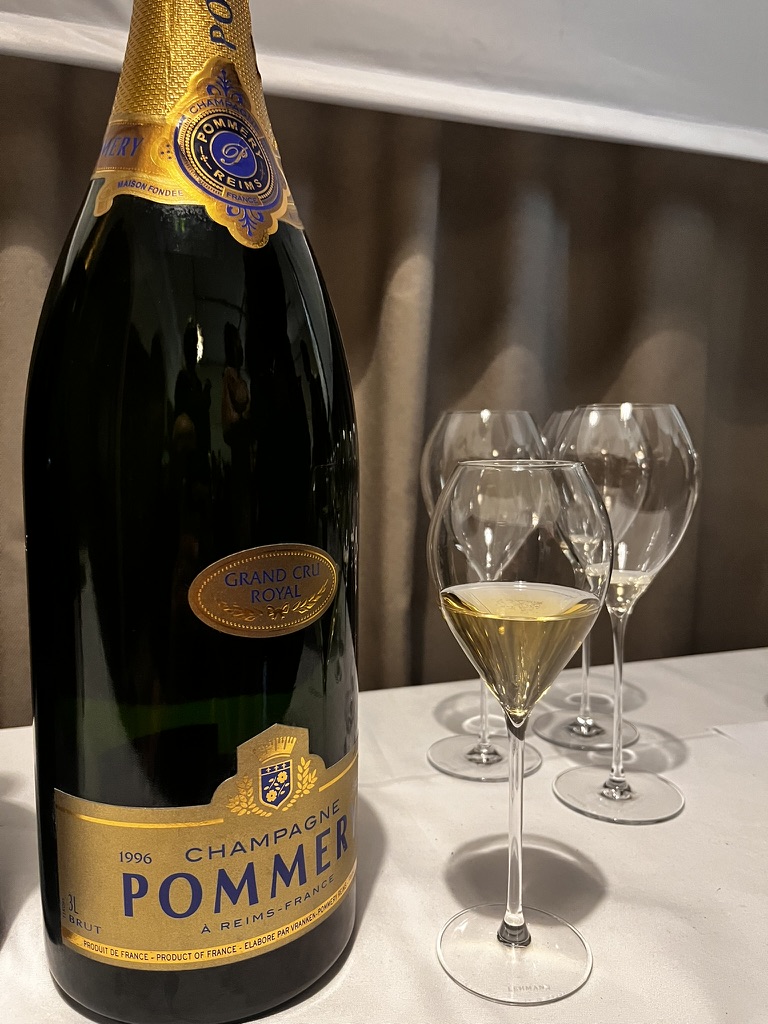
We were given a private tour of the house, which allowed us to discover Pommery in a much more personal way. Of course, the highlight was also tasting some truly impressive Champagnes.
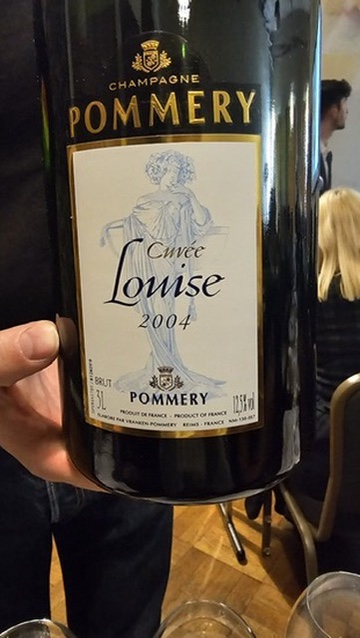
Among the wines we had the opportunity to taste were Blanc de Blancs Apanage and Louise Cuvée 2006.
The Louise was particularly memorable. It is the kind of Champagne that reminds you why visiting the houses themselves can be so rewarding. You are not simply tasting a wine. You are tasting a part of the house’s history and philosophy.
Meeting the people behind the Champagne before visiting the place made this experience even more special for us.
Charles de Cazanove
Charles de Cazanove has been part of the Champagne story since 1811.
The house has a long history connected with Reims and has developed an international reputation while maintaining its Champagne identity.
It is an interesting stop for visitors who want to discover a historic Champagne name without limiting their trip to only the largest and most famous producers.
Our Champagne Hunters experience
Our connection with Charles de Cazanove began in a rather unexpected place: Vietnam.
While travelling there, we noticed that Charles de Cazanove Champagne was being served in many of the places we visited. It was actually the Champagne we encountered most frequently during that trip.
That naturally made us curious about the house behind the bottles.
When we later had the opportunity to visit the house, we did not take a formal tour, but we were able to explore the property and taste several different Champagnes.
The house itself is beautiful and has a very distinctive atmosphere. Even without a traditional cellar tour, it was interesting to see the place behind a Champagne that had already caught our attention thousands of kilometres away in Vietnam.
For us, it was a great reminder that sometimes the best Champagne discoveries begin in completely unexpected places.
Champagne Houses in Épernay
If Reims is one major centre of Champagne, Épernay is the other.
The famous Avenue de Champagne runs through the city, with some of the world’s best-known Champagne houses located along it. Beneath the avenue are kilometres of underground cellars holding millions of bottles.
Walking along the Avenue de Champagne is therefore almost like walking through the history of the region.
Boizel
Founded in 1834, Boizel is one of the historic family Champagne houses of Épernay.
The house has remained closely connected with the Boizel family over generations and is particularly interesting for visitors who want to combine Champagne history with a more personal family story.
One of the highlights is the underground cellar experience, where bottles from different periods of the house’s history can be found.
Our Champagne Hunters experience
Boizel has a special place in our own Champagne story.
We visited Boizel during our honeymoon in the Champagne region. It was our first ever Champagne cellar visit and tasting, which naturally made it a very memorable experience for us.
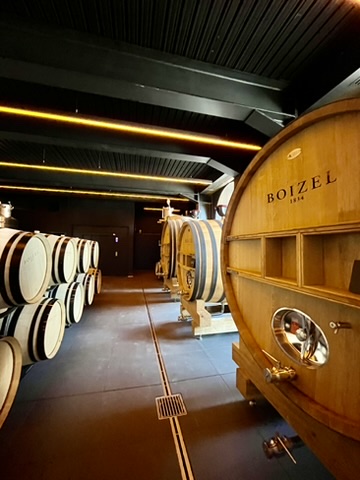
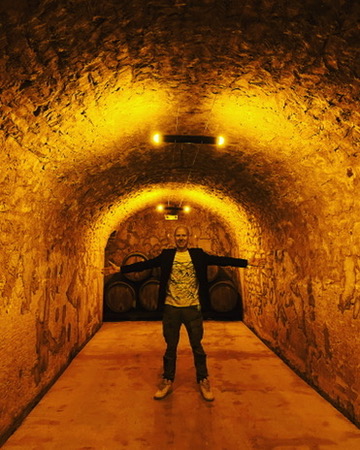
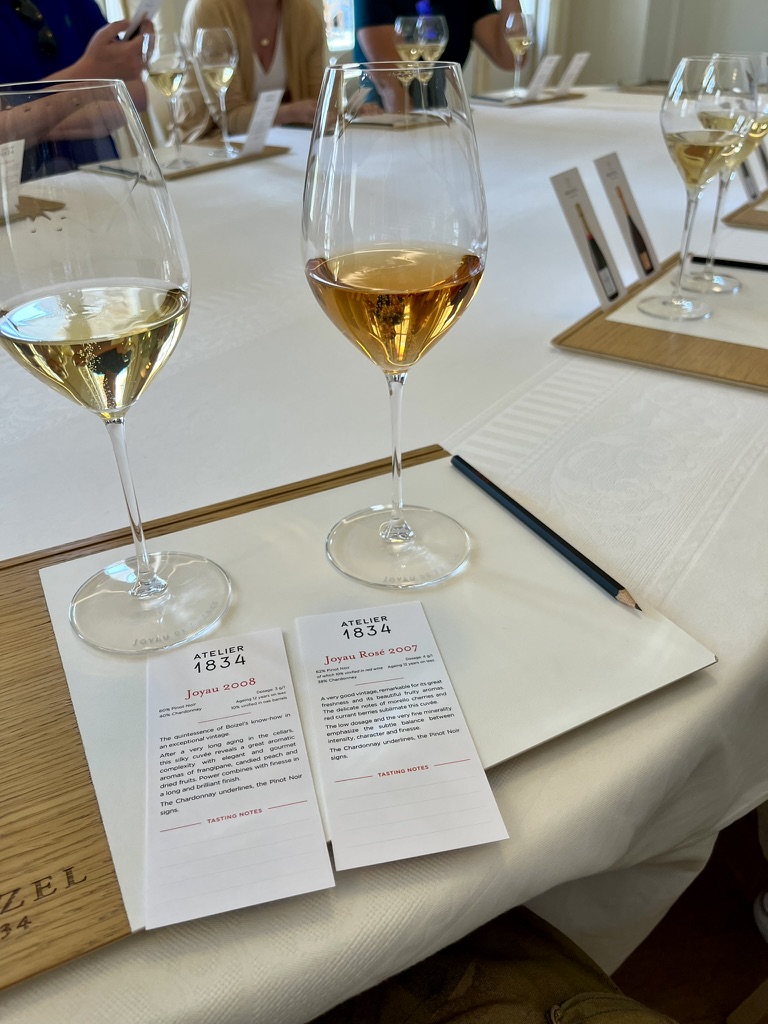
Walking down into the cellars for the first time and then tasting the wines in the house itself was something we will not forget.
It was also one of those visits that made us realise how different Champagne feels when you experience it at the source.
During the tasting, we had the chance to try several Champagnes, including Joyau de France 2008 and Rosé 2007.
The 2008 vintage has since become one of our favourite Champagne vintages, which makes the Joyau de France 2008 particularly special to us.
Looking back, Boizel was not simply one of our first Champagne house visits. It was one of the experiences that helped start our deeper fascination with the region.
Champagne Houses in Aÿ and the Montagne de Reims
The Montagne de Reims is one of the most important areas in Champagne, particularly known for Pinot Noir.
Here, the experience can become more focused on vineyards, villages and terroir.
Besserat de Bellefon
Besserat de Bellefon was founded in 1843 and has a particularly strong connection with gastronomy.
The house is known for its Cuvée des Moines and for a style of Champagne that is designed to work particularly well with food.
That makes it an interesting house to discover for anyone who sees Champagne as part of a meal rather than simply a drink for a special occasion.
Our Champagne Hunters experience
Besserat de Bellefon is one of our favourite Champagne houses, and not only because of the wines.
The house itself is beautiful, but what really stands out are the people. We have had the opportunity to meet members of their team several times, including their representative, who has also visited Estonia.
We met again at the Grand Champagne Helsinki festival, which made our connection with the house even stronger.
Besserat de Bellefon also offers beautiful accommodation experiences, making it possible to spend more time enjoying the surroundings rather than simply visiting for a tasting.
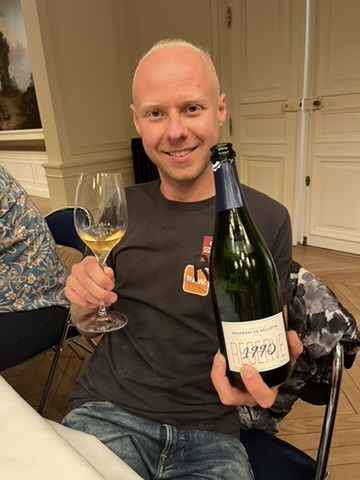
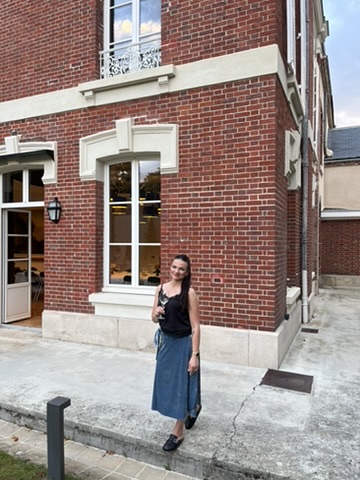
During our visit, we tasted several different Champagnes and also had the opportunity to attend a Champagne dinner at the house.
That dinner became one of our most memorable Champagne experiences.
Earlier that day, I had mentioned to their representative that I was born in 1990, and that I knew it was considered a good Champagne vintage, but I had never actually tasted a Champagne from my birth year.
At the end of the dinner, he disappeared for a moment and came back with a bottle.
A Champagne from 1990.
Being able to taste a Champagne from your own birth year is already special. Having someone bring it out as a surprise at the end of an evening makes the experience something you remember for a very long time.
For us, this is exactly what makes Champagne so fascinating. It is not only about the wine in the glass. It is also about the people, the conversations and the unexpected moments that happen around it.
Tornay-Hutasse
In Bouzy, one of the famous villages of the Montagne de Reims, Tornay-Hutasse offers a very different experience from the large Champagne houses.
This is a family estate with a long history and vineyards in some of the region’s most recognised terroirs.
Bouzy is particularly associated with Pinot Noir, making it an interesting place to explore how the character of a village can influence the wines produced there.
For travellers who want to get closer to the vineyards and the people behind the wine, smaller family estates such as Tornay-Hutasse can be especially rewarding.
Our Champagne Hunters experience
Our visit to Tornay-Hutasse happened very recently, and this time the invitation came directly from the house.
We were invited to visit for a tour and got to see a side of Champagne that many visitors never experience.
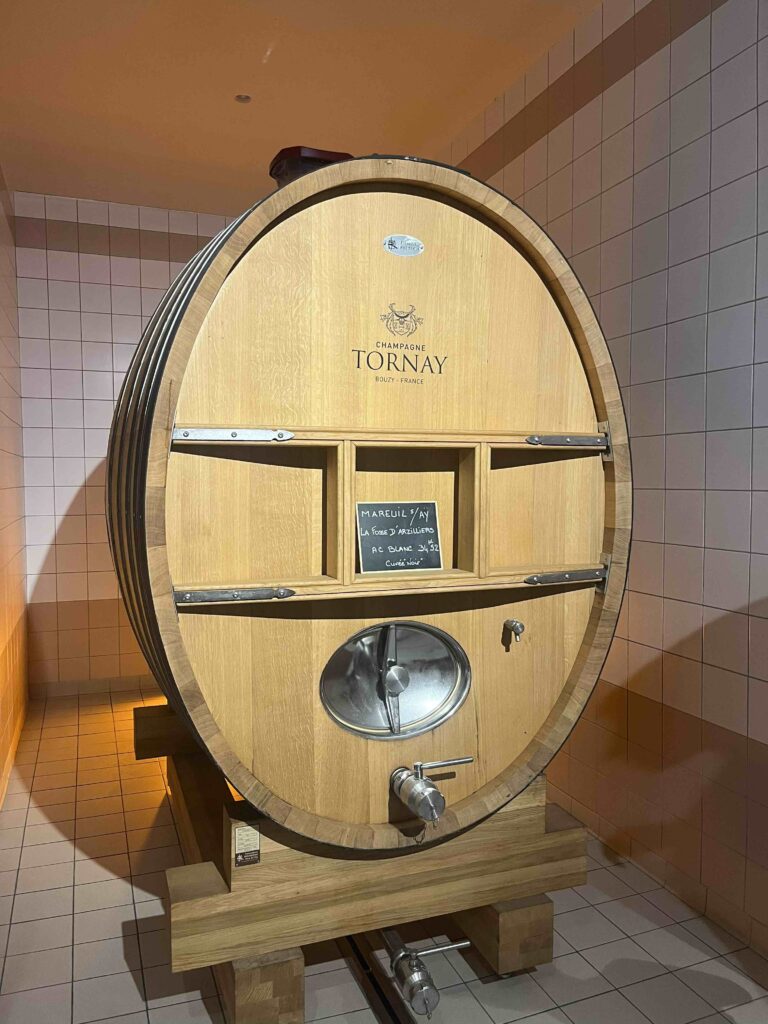
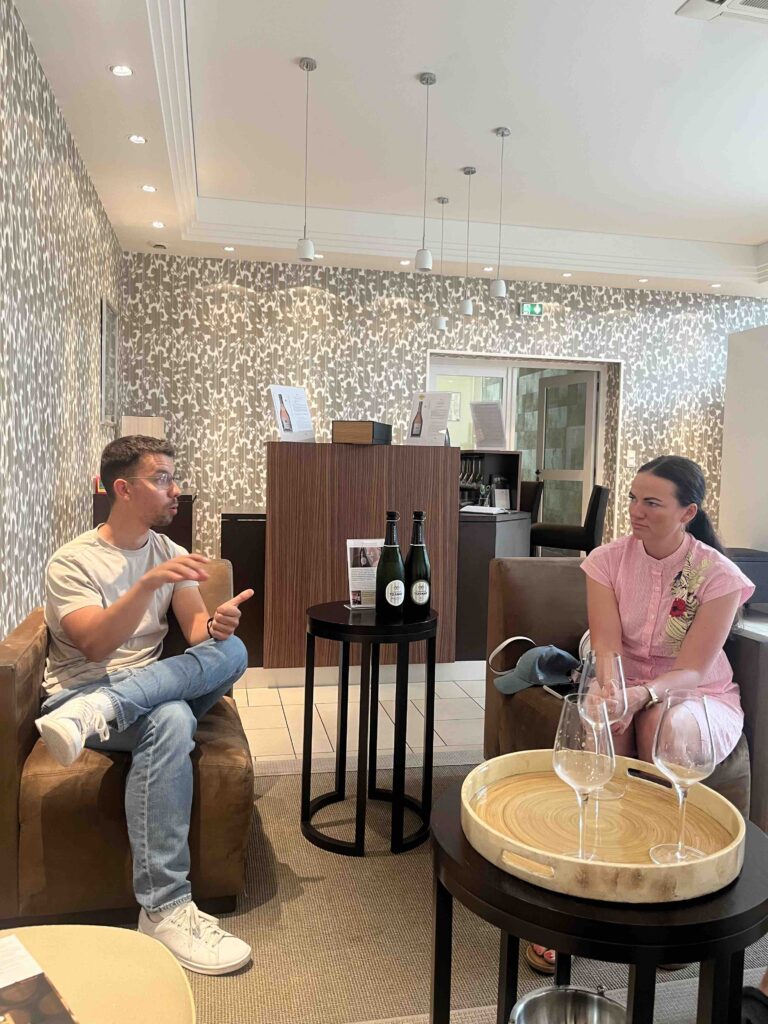
The atmosphere was relaxed and very welcoming, and we were able to see some of the behind-the-scenes work that goes into making Champagne.
There was actually work happening during our visit, which made the experience feel particularly authentic. We saw the different tanks and barrels and were shown around the working areas of the estate.
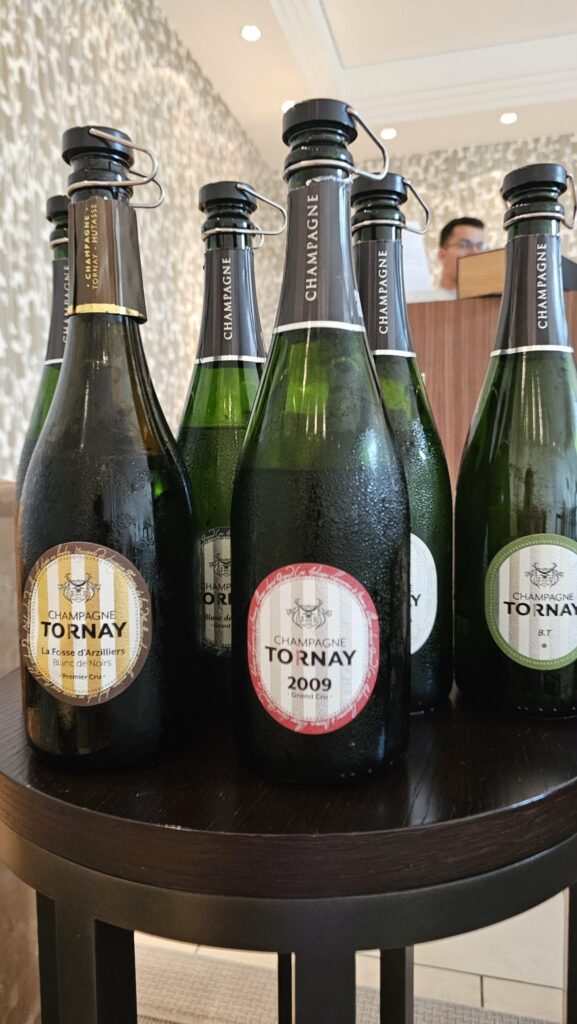
After the tour, we sat down for a tasting of seven different Champagnes.
We tasted several different styles, including a Blanc de Noirs, Blanc de Blancs, Brut and a 2009 vintage, among others.
We enjoyed the wines so much that we did not leave empty-handed. We ended up taking several cases of Champagne home with us.
For us, Tornay-Hutasse was a great example of why we always recommend including smaller family estates in a Champagne trip.
You get much closer to the actual work behind the bottle.
Why Visit Different Champagne Houses?
One of the best things about travelling through Champagne is that no two houses feel exactly the same.
A visit to a large historic house can introduce you to monumental cellars, famous names and centuries of Champagne history.
A smaller family producer can offer something completely different. You may spend more time talking about individual vineyards, meet the people behind the estate and taste wines that are produced in much smaller quantities.
Both experiences are valuable.
Our own visits have made this especially clear.
Our first cellar experience at Boizel was completely different from the private experience we had at Pommery, which in turn was different again from seeing the day-to-day work at Tornay-Hutasse.
And then there are the unexpected connections, such as discovering Charles de Cazanove in Vietnam or meeting Champagne representatives at festivals in Helsinki and later visiting their houses in Champagne.
If you have the time, we recommend combining different types of Champagne houses during your trip.
Visit at least one of the famous names, but also try to discover a smaller producer.
That contrast is one of the best ways to understand Champagne.
Champagne Houses Worth Visiting
There are far too many Champagne houses to experience in a single trip.
Some are famous around the world, while others remain relatively unknown outside the region. Some focus on large-scale production and consistency, while others are obsessed with individual vineyards, old vines or particular grape varieties.
That is what makes exploring Champagne so interesting.
Some of the Champagne houses and producers worth exploring include:
- Besserat de Bellefon
- Boizel
- Charles de Cazanove
- Pommery
- Tornay-Hutasse
- and many more
We will continue adding Champagne houses, tasting experiences and our own recommendations to this guide as we explore more of the region.
Planning a Champagne House Visit
If you are planning a trip to Champagne, it is worth doing a little preparation before arriving.
Many Champagne houses require advance reservations, particularly during busy periods. Opening hours and available tours can also change depending on the season.
Think about what kind of experience you are looking for.
Do you want to explore enormous historic cellars? Meet a smaller producer? Learn more about the vineyards? Taste several different Champagnes? Or simply enjoy a glass somewhere beautiful?
There is no single right way to experience Champagne.
The best trip is usually a combination of different experiences.
Champagne Is More Than the Bottle
A Champagne house is not simply the place where a bottle is produced.
It is a piece of the region’s history.
It can be a family story passed from one generation to the next, a historic cellar beneath the streets of Reims or Épernay, a vineyard overlooking a small village or a producer experimenting with the next generation of Champagne.
That is why we believe visiting Champagne is worth doing even if you already know and love the wine.
You start to recognise the places behind the labels.
And once you have walked through the cellars, seen the vineyards and met the people, the next bottle of Champagne can feel very different.
Frequently Asked Questions
Some of the Champagne houses worth visiting include Pommery, Boizel, Besserat de Bellefon, Charles de Cazanove and Tornay-Hutasse. Each offers a different experience, from historic cellars and architecture to smaller family estates and more personal tastings.
Ideally, visit both.
Reims is home to several historic Champagne houses and impressive underground chalk cellars, while Épernay is famous for the Avenue de Champagne and its concentration of major Champagne producers.
They offer different experiences and are close enough to include both in the same Champagne trip.
In most cases, yes.
Popular Champagne houses can become fully booked, especially during weekends and the main travel season. Smaller producers may also receive visitors by appointment only.
Booking ahead is therefore recommended.
Some houses offer tastings or shorter visits, while others only accept visitors as part of a guided experience.
The rules vary from one producer to another, so always check the current visitor information before travelling.
For most visitors, two or three Champagne house visits in a day is plenty.
This gives you enough time to enjoy the experience without turning the day into a race from one tasting to another.
Remember that the villages, vineyards and restaurants are also an important part of the Champagne experience.
Champagne can be visited throughout the year.
Spring and summer are particularly beautiful for seeing the vineyards, while autumn brings harvest season and a completely different atmosphere to the region.
Winter can be quieter and is a good option for travellers who prefer fewer tourists.
Absolutely.
You do not need to know anything about Champagne before visiting.
The best Champagne house visits explain the basics in an accessible way, and the region itself offers plenty beyond wine, including historic towns, restaurants, architecture, vineyards and gastronomy.
You can simply arrive curious and enjoy the experience.
Discover Champagne With Champagne Hunters
We are constantly discovering new Champagne houses, producers, restaurants, bars and experiences across the region.
This guide is therefore a work in progress.
As we explore more of Champagne, we will continue adding new places, photographs and recommendations to help you plan your own trip.
Because the best way to discover Champagne is not just to drink it.
Go where it is made.