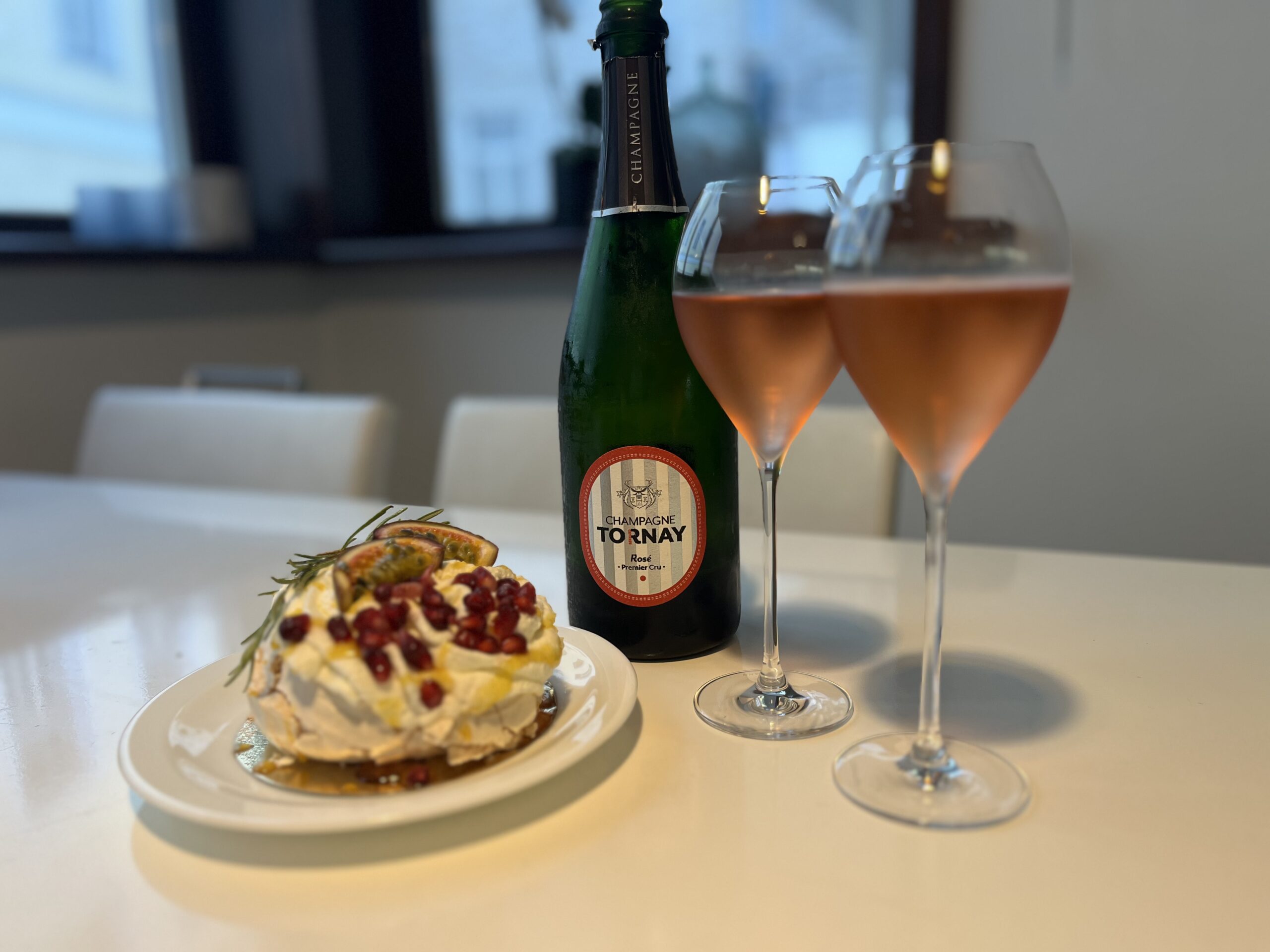
Pink Champagne turns heads at every table – but most people have no idea why it’s pink, or how it actually tastes different from regular Champagne. If you’ve ever stood in a wine shop wondering whether to reach for the rosé, this is for you.
What is rosé Champagne?
Rosé Champagne is simply Champagne that has a pink hue and, usually, a noticeably fruitier character than its white (or blanc) counterpart. It’s still made in the Champagne region of France, still follows the same strict rules as any other Champagne, and still gets its bubbles from a second fermentation in the bottle. The difference is all about colour – and that colour tells you something real about the flavour inside.
How does it get its pink colour?
There are two methods, and both are legal under Champagne’s rules – which is unusual, because most wine regions don’t allow blending red wine into a rosé.
Assemblage (blending) is by far the most common method. The winemaker blends a small amount of still red wine – typically made from Pinot Noir – into the finished white Champagne base before the second fermentation. It sounds simple, but getting the colour and flavour balance right every year takes tremendous skill. Most of the famous Champagne houses use this approach because it gives them the consistency their customers expect.
Saignée (literally “bled”) is the traditional winemaking route: the red grape skins are left in contact with the juice for a short time, and some of that coloured juice is then “bled off” and fermented separately. Saignée rosés tend to have a deeper salmon or even ruby colour and a bolder red-fruit character. Smaller, artisan producers are more likely to go this route.
How does it taste?
Where a typical white Champagne leans towards green apple, citrus, brioche and toasty notes, rosé Champagne brings in red fruits – strawberry, raspberry, sometimes wild cherry or even pomegranate. It still has all the classic Champagne freshness and that lively fizz, but there’s a warmer, rounder quality to it. Many people find rosé Champagne easier to love on first sip, especially if they’re just discovering Champagne for the first time.
What food goes with rosé Champagne?
Rosé’s red-fruit character and crisp acidity make it one of the most food-friendly options in the Champagne family. It’s a natural match for smoked salmon, sushi, and grilled prawns. It loves mild, creamy cheeses and a good charcuterie board. Fresh strawberries with rosé Champagne is a classic pairing for good reason – the flavours mirror each other beautifully. It’s also a brilliant partner to roast duck or any dish with a slightly gamey richness, where a white Champagne might feel a little light.
Which glass should you use?
Here at Champagne Hunters, we never drink Champagne from a flute – and rosé is no exception. A white wine glass with a proper bowl lets those strawberry and raspberry aromas open up fully; pour rosé Champagne into a narrow flute and you’re trapping half the experience. For older, more complex rosé vintages, a red wine glass works brilliantly – the extra space makes a remarkable difference. Riedel makes excellent options in both styles if you want a reliable recommendation.
Is rosé Champagne sweeter than white Champagne?
Not necessarily. The sweetness level in any Champagne is set by the dosage – a small sugar solution added at the very end of production – not by the colour. Most rosé Champagnes you’ll find are Brut, meaning they’re dry. The fruitiness you taste is genuine red-fruit flavour, not sweetness. If you prefer a slightly sweeter style, look for Extra Dry or Demi-Sec on the label, though these are less common in rosé form.
If your curiosity is leaning towards real Champagne, you’re in the right place. Explore our map to find spots near you that pour genuine Champagne by the glass or bottle, and join a community of fellow enthusiasts chasing the same sparkle around the world.