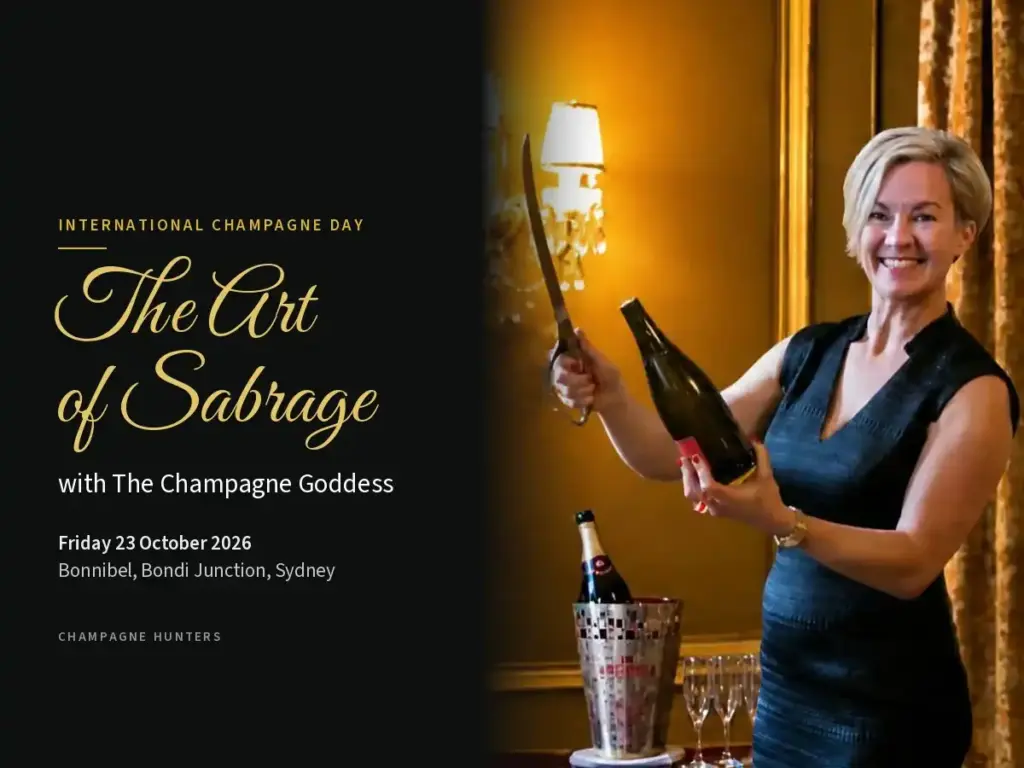
International Champagne Day 2026 in Sydney: Learn to Sabre a Bottle with The Champagne Goddess
On Friday 23 October, Susan Le Roux, better known as The Champagne Goddess, is taking over a room at Bonnibel in Bondi Junction for International Champagne Day. Expect Piper-Heidsieck in the glasses, a sabre on the table and, from 6pm until 9pm, a steady line of guests trying to take the top off a bottle…
Read more
8 min read
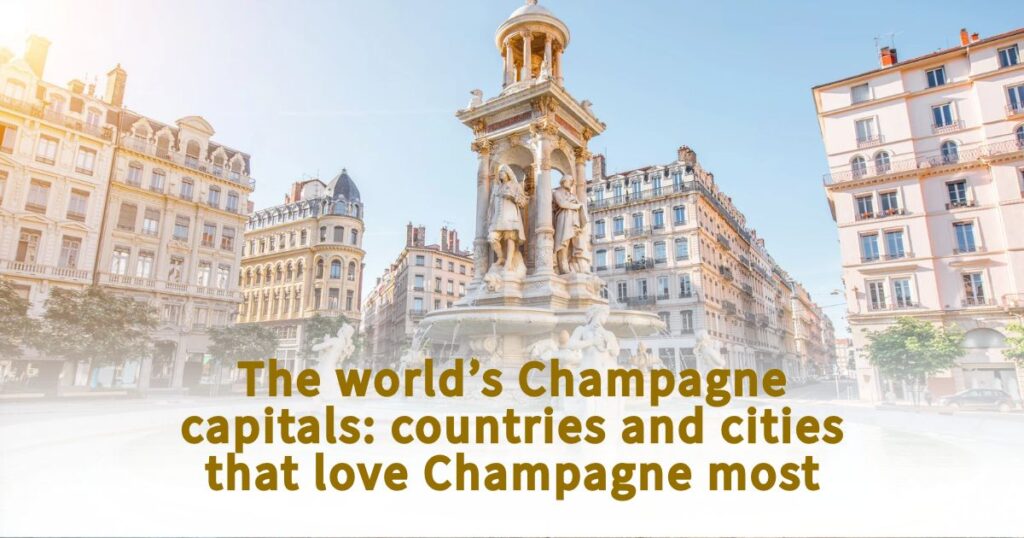
The world’s Champagne capitals: countries and cities that love Champagne most
Champagne has long been associated with France, celebration and special occasions, but its home is only one part of the story. Today, bottles of Champagne are shipped to more than 200 destinations around the world, finding their way onto restaurant tables, into hotel bars, private celebrations and Champagne lists in cities far beyond the French…
Read more
4 min read
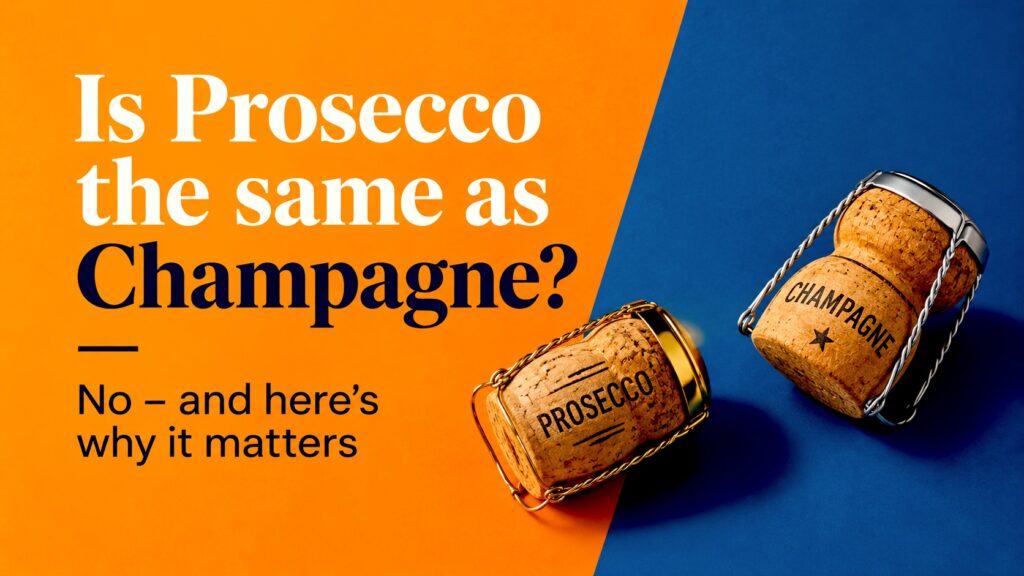
Is Prosecco the same as Champagne? No – and here’s why it matters
Prosecco and Champagne are both sparkling, both come in a fancy bottle, and both make an appearance at celebrations. So people often use the names interchangeably. But they are not the same thing – not even close – and once you understand the difference, you’ll never mix them up again. The short answer No, Prosecco…
Read more
4 min read
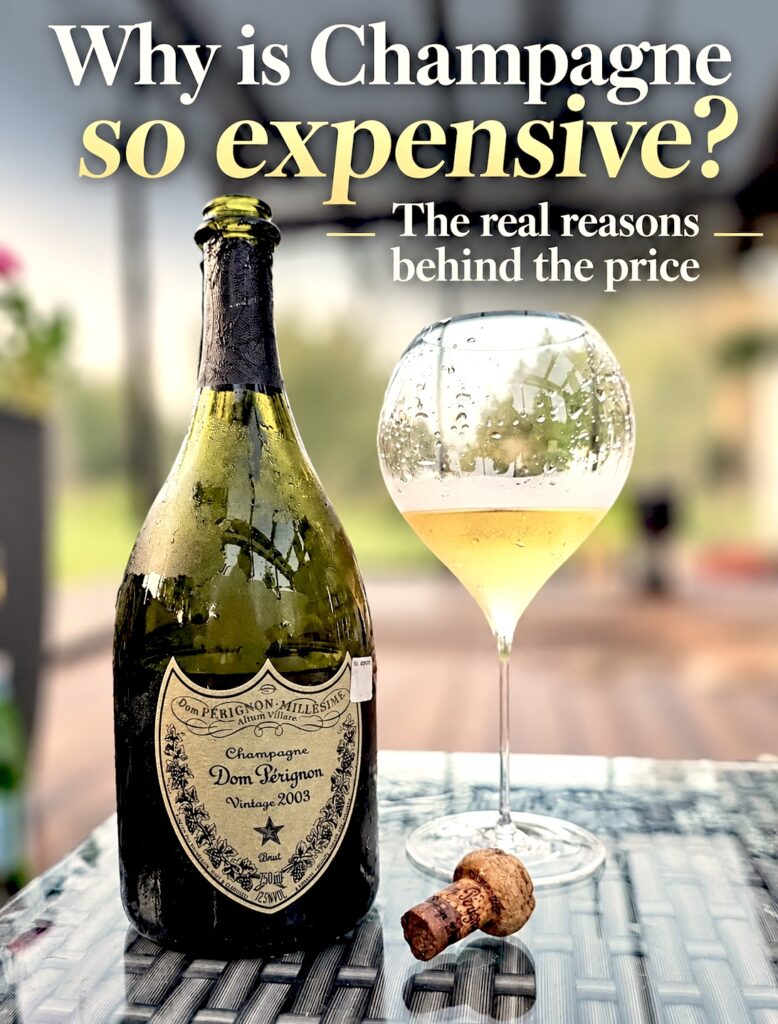
Why is Champagne so expensive? The real reasons behind the price
You pick up a bottle of Champagne and notice the price tag is five, ten, sometimes twenty times more than a perfectly good sparkling wine from Spain or Italy. What is going on? Is it just marketing, or is there something real behind those numbers? The answer, it turns out, is both – and understanding…
Read more
3 min read
Rosé Champagne: everything you need to know
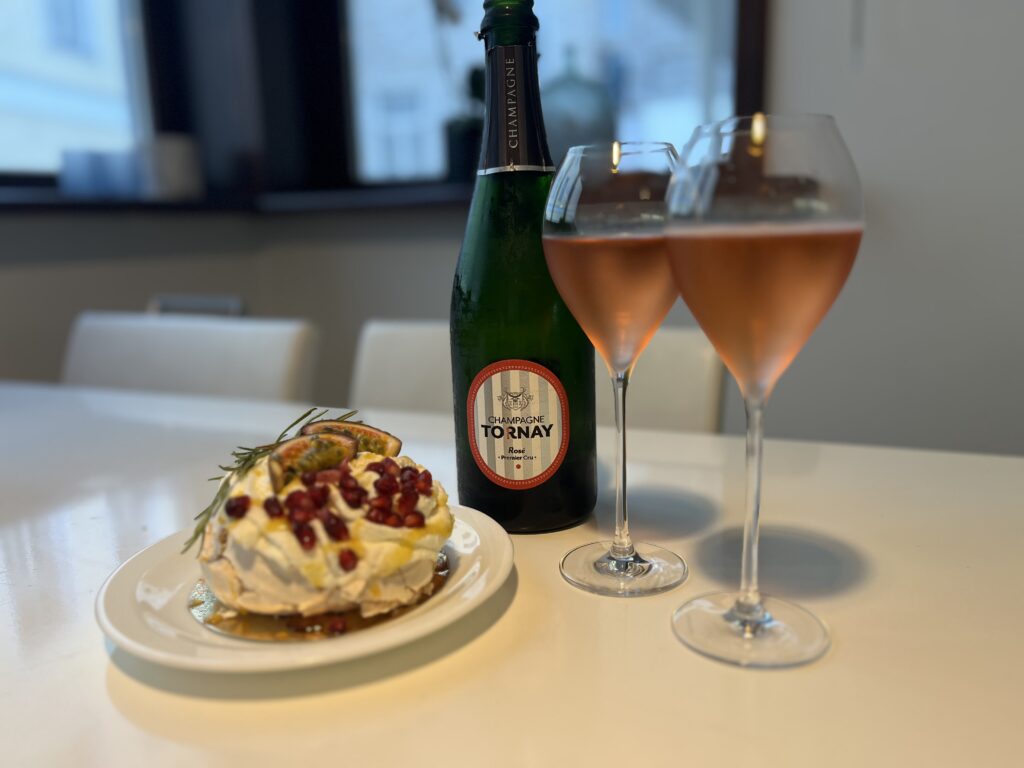
Pink Champagne turns heads at every table – but most people have no idea why it’s pink, or how it actually tastes different from regular Champagne. If you’ve ever stood in a wine shop wondering whether to reach for the rosé, this is for you. What is rosé Champagne? Rosé Champagne is simply Champagne that…
Read more
8 min read
Does Champagne go bad?
The short answer is yes — Champagne can go bad. But “bad” means different things depending on whether the bottle is sealed or open, how it’s been stored, and what kind of Champagne it is. Most Champagne that people encounter isn’t dangerous to drink even after it’s past its prime. What changes is the experience:…
Read more
6 min read
Is André Champagne real Champagne? And what are the real André houses?
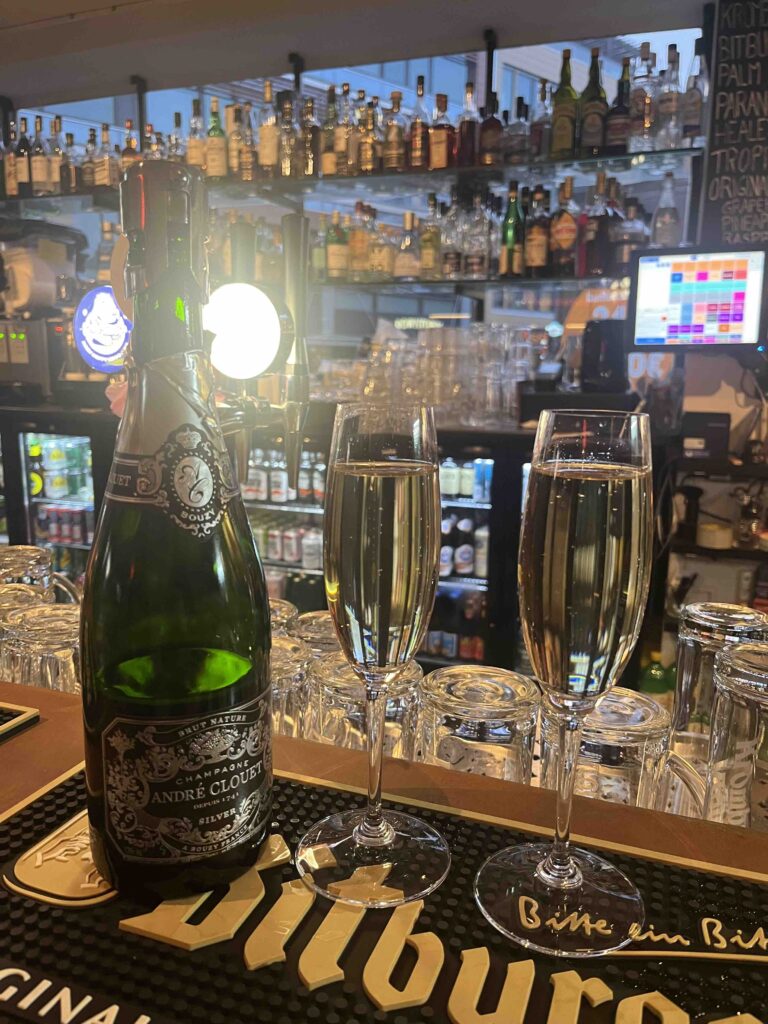
Search for “André Champagne” and you’ll land on two very different things: a budget American sparkling wine that millions of people grew up with, and a handful of genuine Champagne houses from France carrying the same name. The confusion is understandable. The difference matters. This guide covers all of them — what each André is,…
Read more
9 min read
Why Dom Pérignon is so expensive?
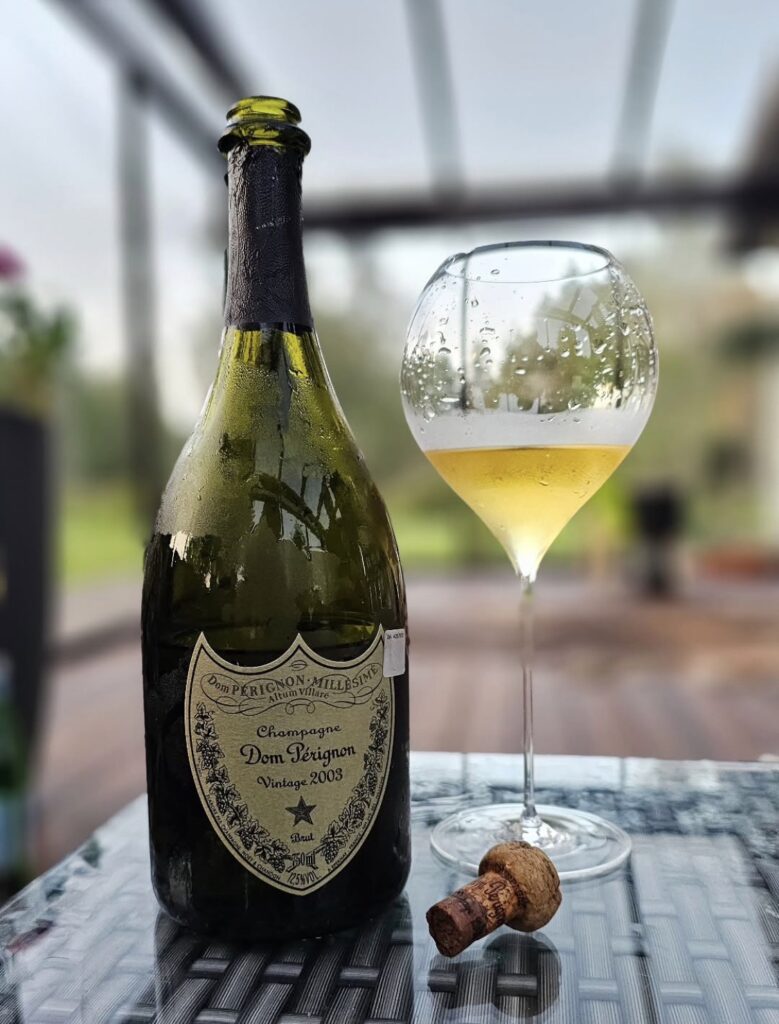
Dom Pérignon regularly sells for $200 to $350 a bottle, and that’s before you get to the extended-aged Plénitude releases, which push into the thousands. For a lot of people, that price raises an obvious question: why? What makes this particular bottle so much more expensive than most other Champagnes? The answer isn’t one thing.…
Read more
8 min read
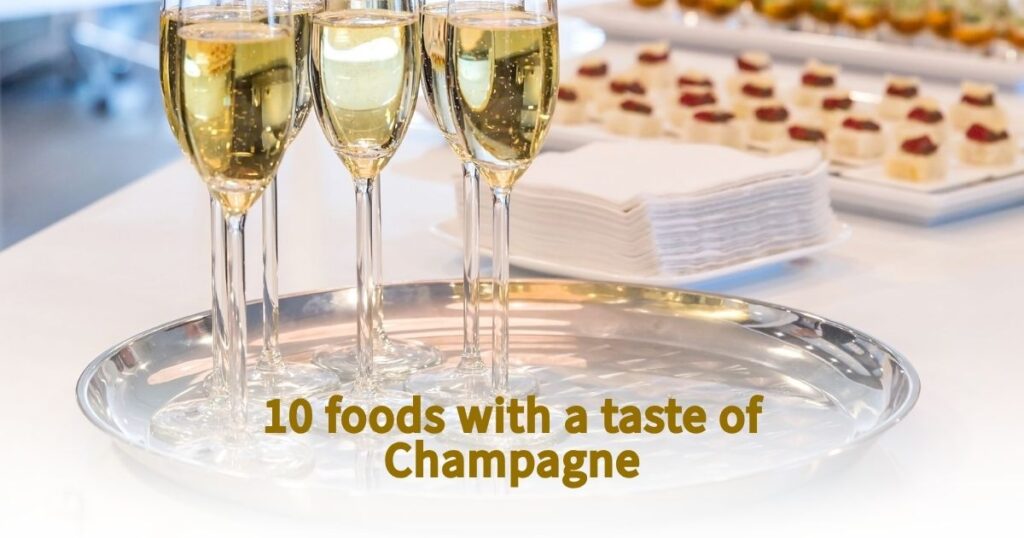
From vinegar to potato chips: 10 foods with a taste of Champagne
Champagne is usually poured into a glass. But it turns out the world of food has found plenty of other ways to put Champagne on the menu. There is Champagne vinegar in salad dressings, Champagne jelly on a cheese board, Champagne mustard, chocolates, gummies and even potato chips inspired by the flavors of bubbly. Some…
Read more
5 min read
Best champagne for mimosas: what to buy, what to skip, and the perfect ratio
A good mimosa starts with good Champagne – not the most expensive bottle on the shelf, but not just any fizz either. The right Champagne changes how the whole drink tastes. After visiting Champagne houses and tasting our way through more brunch tables than we can count, we’ve formed a very clear view on which…
Read more
4 min read
Where to drink Champagne in Düsseldorf
Düsseldorf is famous for Altbier. Its Altstadt — nicknamed the longest bar in the world — packs around 260 pubs, bars and restaurants into a compact stretch of old town streets. But there’s another side to this city, and it’s considerably more interesting for Champagne lovers. Beyond the traditional breweries, Düsseldorf has a strong wine…
Read more
14 min read
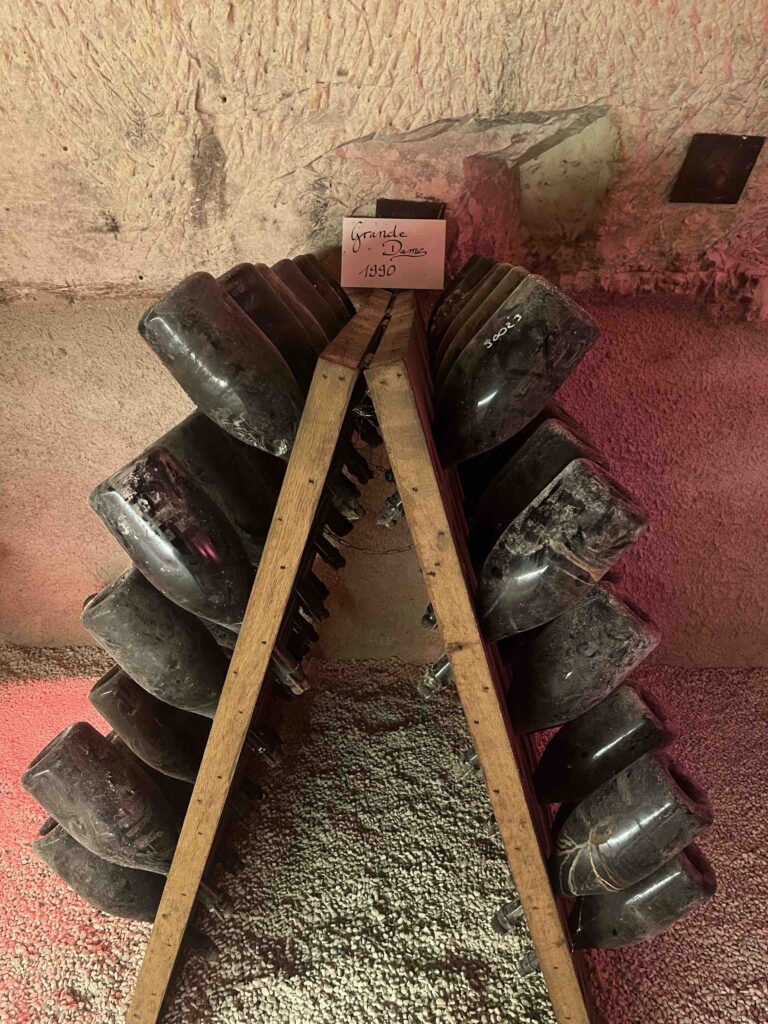
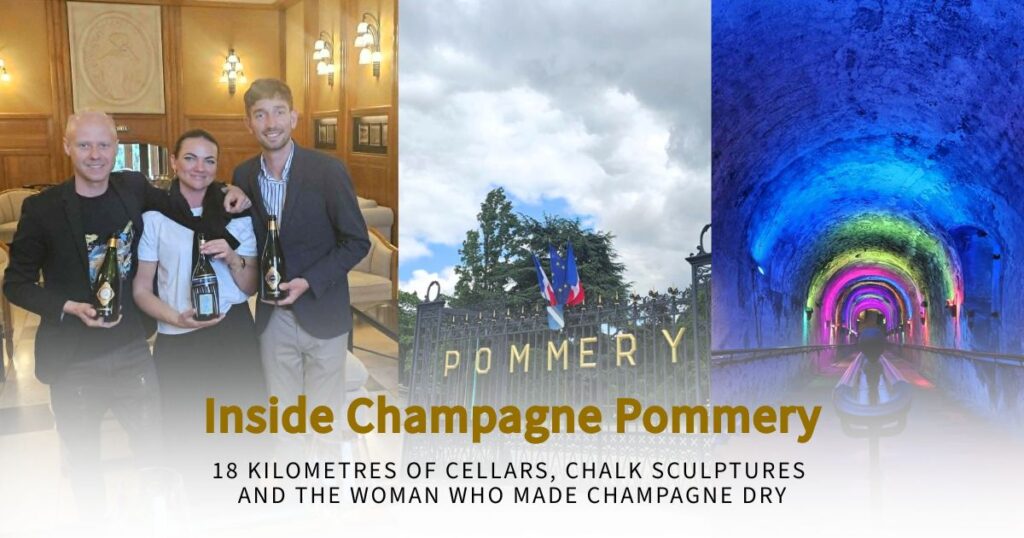
Inside Champagne Pommery: 18 kilometres of cellars, chalk sculptures and the woman who made Champagne dry
Some Champagne Houses take you underground to show you where their bottles age. Pommery takes you into a piece of Reims history that happens to be filled with Champagne. We visited Domaine Pommery for a private tour led by Pommery winemaker Baptiste Chazeaud, who took us far beyond a standard cellar visit. We walked through…
Read more
5 min read
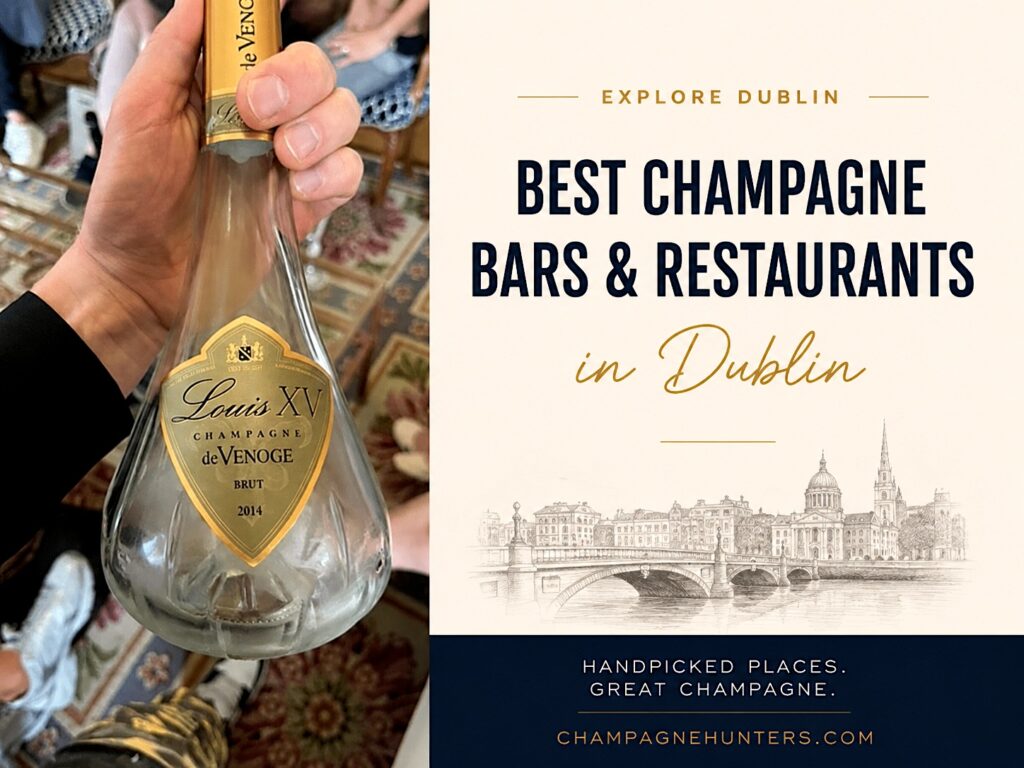
Find best champagne bars and restaurants in Dublin
Dublin is, unambiguously, a Guinness city. A whiskey city. A city where the pub is the social infrastructure and the pint is the default. None of that is a cliché — it’s just true, and it’s a big part of why Dublin is worth visiting. But it has made people miss something that’s been quietly…
Read more
6 min read
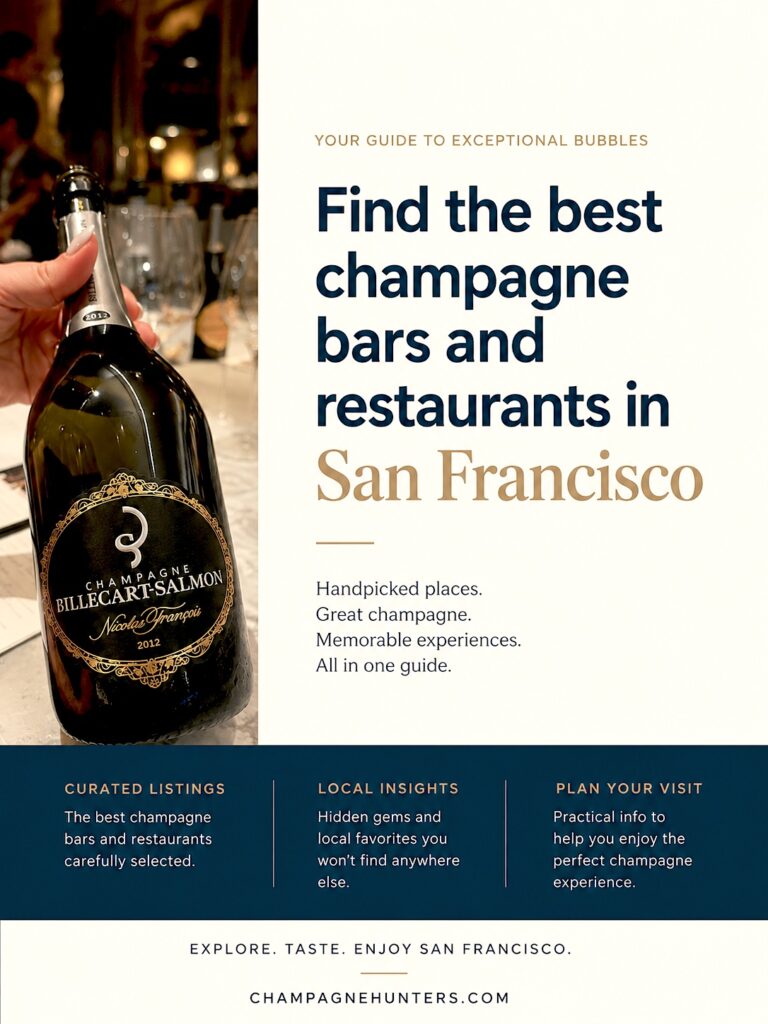
Find best champagne bars and restaurants in San Francisco
San Francisco sits at the edge of the most famous wine country in America. Napa is an hour north. Sonoma is even closer. You’d think Chardonnay and Cabernet Sauvignon would have the whole conversation to themselves here. They don’t. The city has developed a wine bar culture with a distinctly French soul — a cluster…
Read more
6 min read
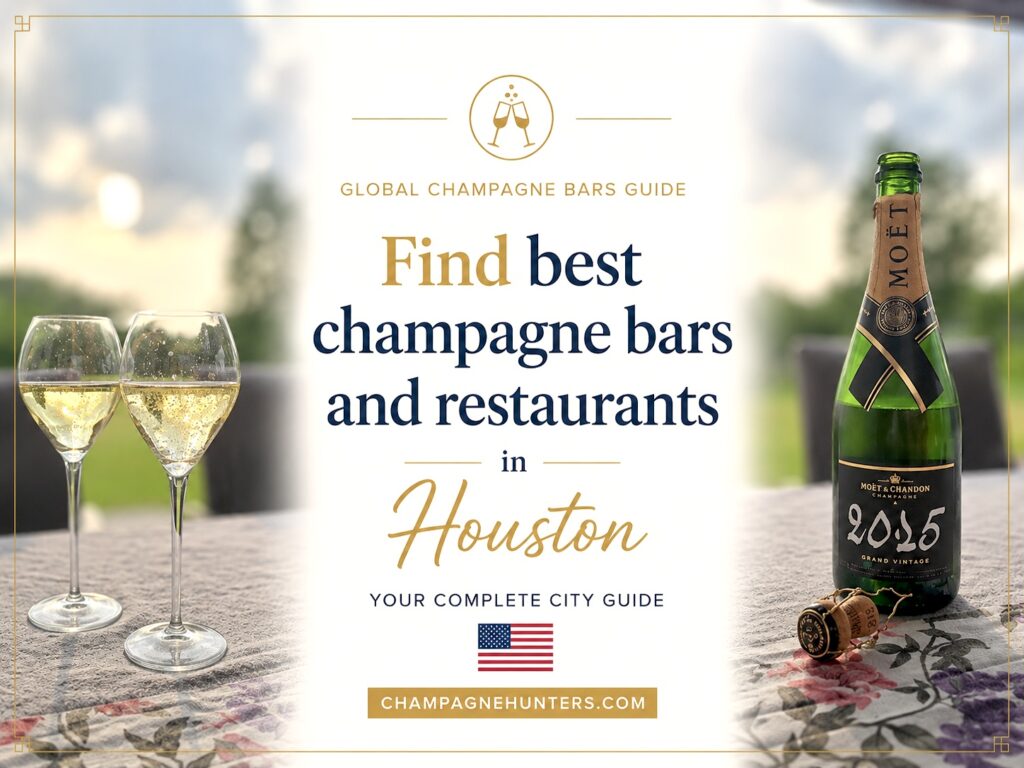
Find best champagne bars and restaurants in Houston
Houston doesn’t get the credit it deserves. Ask most people to name the best food cities in America and they’ll say New York, Chicago, San Francisco. Houston rarely comes up: which is strange, because it’s one of the most culinarily diverse cities on the planet, home to more than 150 nationalities, a James Beard-loaded restaurant…
Read more
5 min read
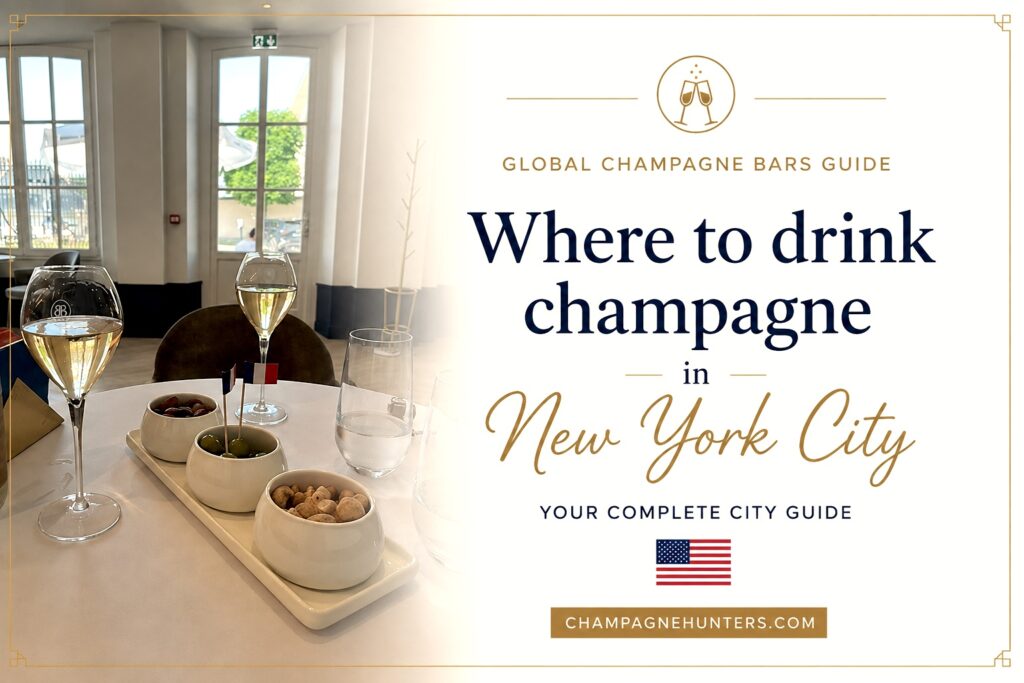
Find best champagne bars and restaurants in New York City
New York City doesn’t need a case made for it as a Champagne destination. The city has more world-class restaurants, more legendary hotel bars and more dedicated Champagne spots than almost anywhere else on earth. The question isn’t whether you can find exceptional Champagne here — it’s knowing where to start. We’ve been building our…