Where to drink Champagne in Reims?
If Épernay is closely tied to the Avenue de Champagne, Reims gives you a different way into the region. The city is home to some of Champagne’s historic Houses, but it’s also a lively French city with restaurants, wine bars, cafés and plenty of places where Champagne fits naturally into the day.
You can stop for a glass after visiting the cathedral, make Champagne part of an afternoon aperitif or sit down for dinner with a bottle from the region. And because Reims is surrounded by vineyards, it’s also a practical base for exploring Champagne beyond the city.
Reims is one of the best places to see how closely Champagne and the city itself are connected. The city’s historic Champagne Houses have deep roots here, while the surrounding vineyards are part of the wider Champagne wine region.
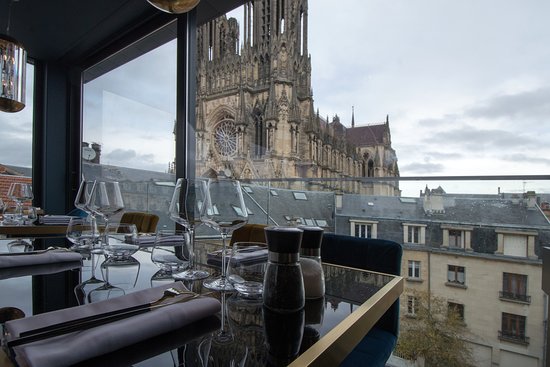
The famous Reims Cathedral is another reason the city feels different from Épernay. It’s one of the major Gothic landmarks of France and has a particularly strong connection to French history – several French kings were crowned here.
For Champagne lovers, though, the real attraction is what lies beneath the city. Champagne cellars have been carved into the chalk beneath Reims, taking advantage of the region’s distinctive chalk geology and naturally cool conditions. Some of the most important Champagne House cellars are found here.
If you have more than a day, Reims also works well as a base for exploring the Montagne de Reims, one of the main vineyard areas of Champagne. Pinot Noir is particularly important here, and the landscape is very different from simply walking between Champagne Houses in the city.
Good to know
Reims and Épernay make a useful pair if you’re planning a Champagne trip. Épernay is centred around the Avenue de Champagne and its famous cellar network, while Reims combines Champagne with a larger city, historic architecture and a broader restaurant scene.
You can easily spend a day in Reims without booking a tasting every few hours. Visit the cathedral, explore the city centre, stop for Champagne and dinner, then use the following day to head into the vineyards.
And if you’re looking for something beyond the big Champagne names, keep an eye out for grower Champagne and smaller producers on wine lists. The Champagne region is much bigger than the handful of Houses most visitors recognise.