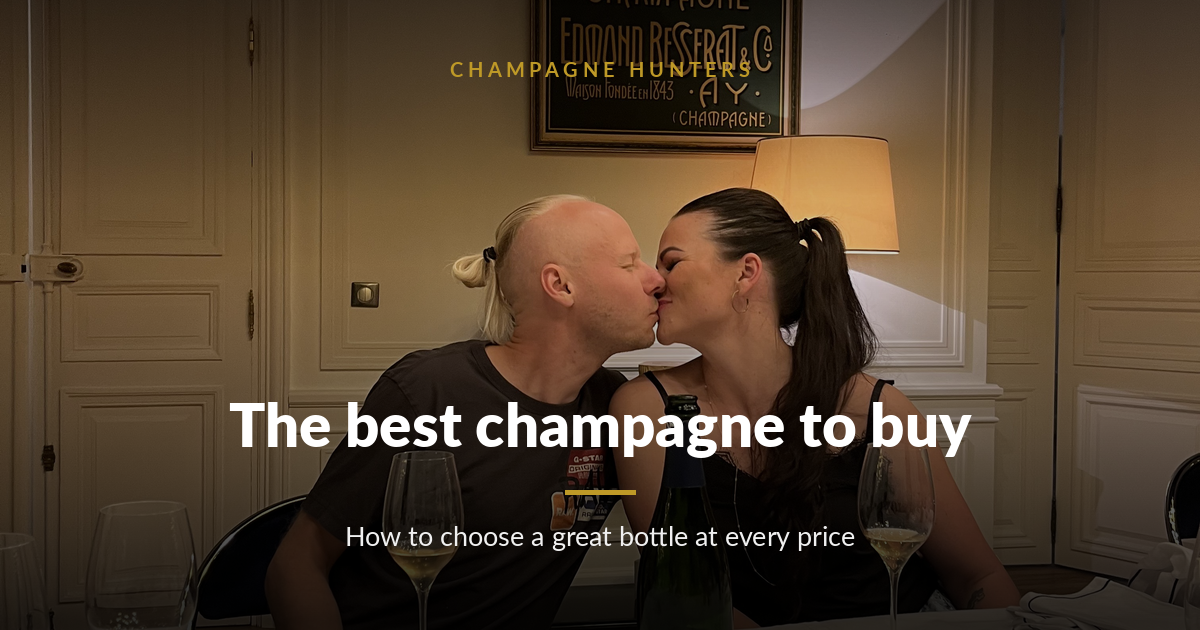
The best Champagne isn’t always the most expensive bottle. A good Champagne is balanced, fresh, and right for the occasion. Whether you’re looking for an everyday bottle, a thoughtful gift, or something unforgettable for a milestone celebration, understanding Champagne styles will help you choose with confidence.
With hundreds of bottles on the shelf and prices ranging from under $50 to several hundred dollars, buying Champagne can feel overwhelming. The good news is that you don’t need to be an expert to find a great bottle.
This guide explains what makes a Champagne worth buying, what to look for at different price points, and how to choose the right style for every occasion. Because the best bottle isn’t the one with the biggest price tag, it’s the one that makes the moment feel special.
Table of contents
- What is the best Champagne to buy?
- What makes a good Champagne?
- Best Champagne under $50
- Best Champagne between $50 and $100
- Best Champagne over $100
- Best Champagne for different occasions
- House Champagne vs grower Champagne
- Champagne buying guide by budget
- FAQ
- Conclusion
What is the best Champagne to buy?
There isn’t one Champagne that’s perfect for everyone.
The best bottle depends on your budget, the occasion, the food you’re serving, and who you’re sharing it with. For most people, a well-made non-vintage Brut Champagne offers the best balance of freshness, versatility, and value.
If you’re celebrating a major milestone or buying a memorable gift, spending more on a vintage Champagne or prestige cuvée can be worthwhile. But don’t assume that a higher price always means a better experience. Some of the most enjoyable Champagnes come from smaller producers at surprisingly reasonable prices.
What makes a good champagne?
A good Champagne is about balance rather than luxury.
Look for bottles with fresh acidity, fine and persistent bubbles, bright fruit, and a clean finish that encourages another sip. Quality Champagne should feel lively and elegant without becoming heavy or overly sweet.
Another decision you’ll often face is choosing between a large Champagne house and a grower Champagne.
Large houses blend wines from many vineyards to create a consistent style every year. Grower Champagnes are produced by the same families who farm the vineyards, often resulting in wines with more individuality and a stronger sense of place.
Neither is inherently better. One offers consistency, while the other often offers character.
Best champagne under $50
This is where many people discover just how good affordable Champagne can be.
Look for non-vintage Brut Champagnes from smaller producers or respected houses. At this price, freshness and balance are more important than long aging or prestige.
These bottles are perfect for birthdays, dinner parties, weekend celebrations, or simply opening a bottle because the week deserves a happy ending.
Our favorite in this price range
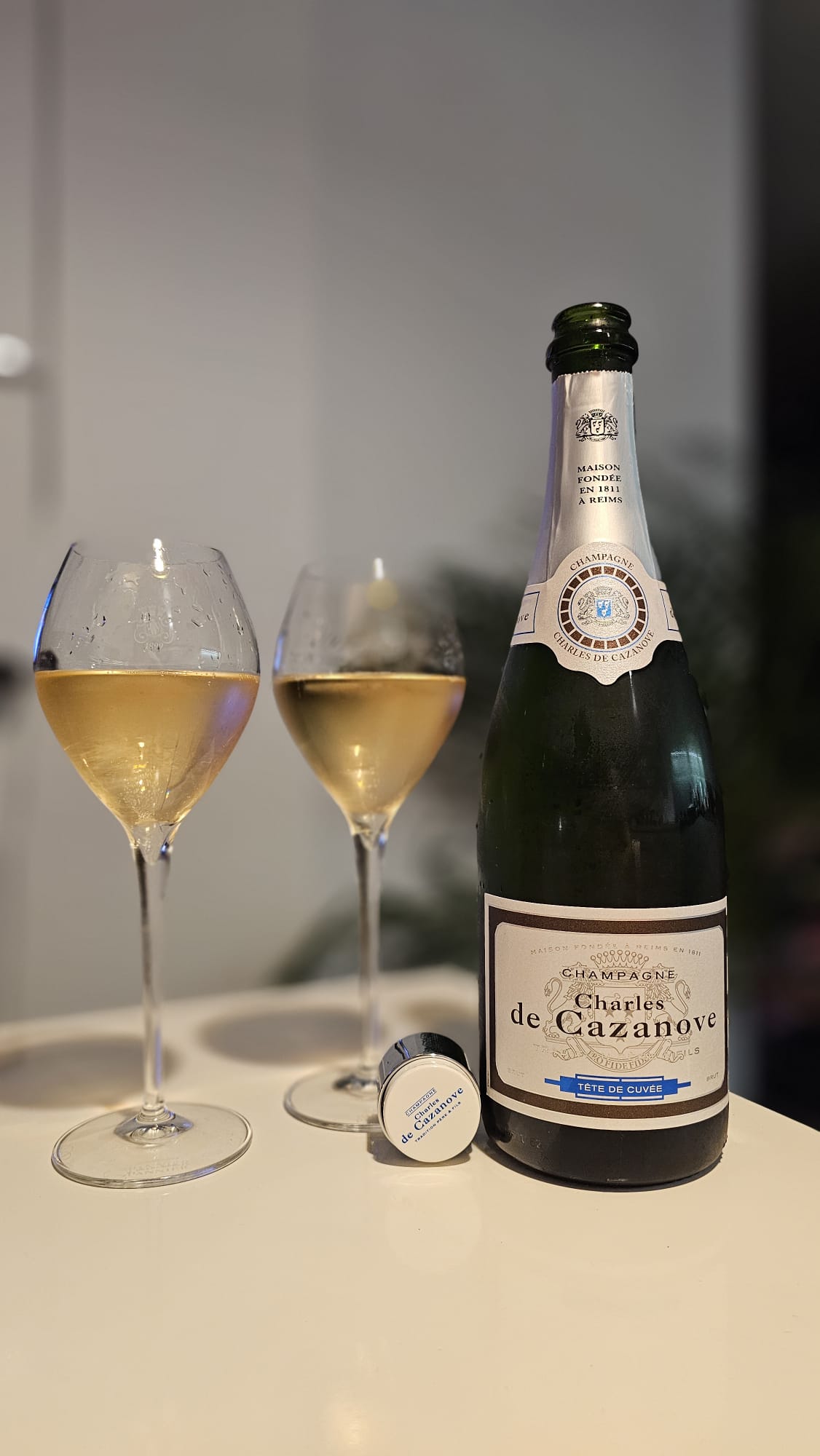
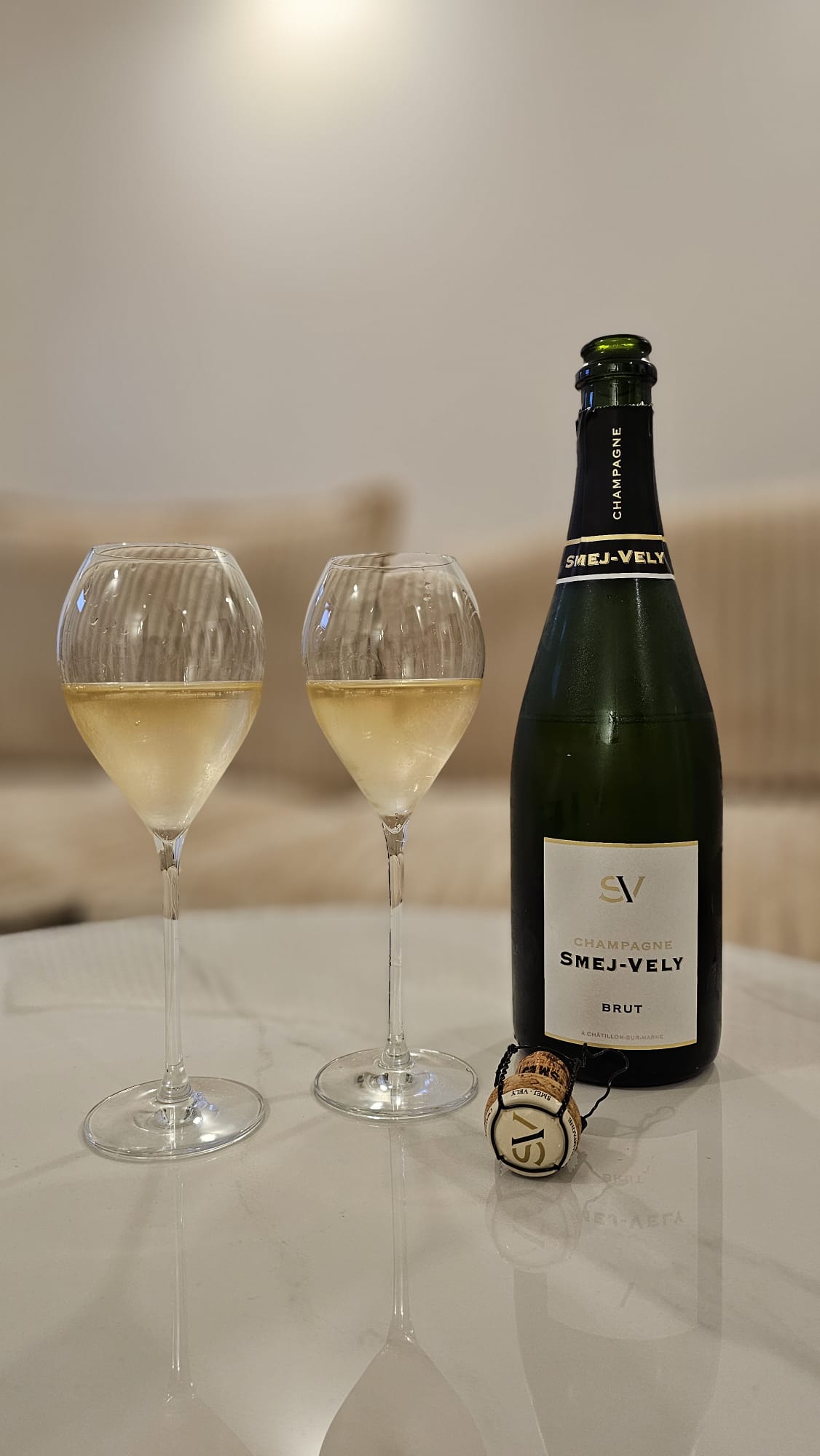
Champagne Hunters recommendation
Choose a fresh non-vintage Brut with lively citrus fruit, crisp acidity, and fine bubbles. Smaller grower producers often offer outstanding value in this category.
Best Champagne between $50 and $100
Many Champagne lovers consider this the sweet spot.
You’ll find bottles with longer lees aging, more complexity, finer bubbles, and greater depth of flavor without entering luxury pricing.
This is an excellent budget for dinner parties, anniversaries, or gifts when you want something memorable without overspending.
Our favorite in this price range
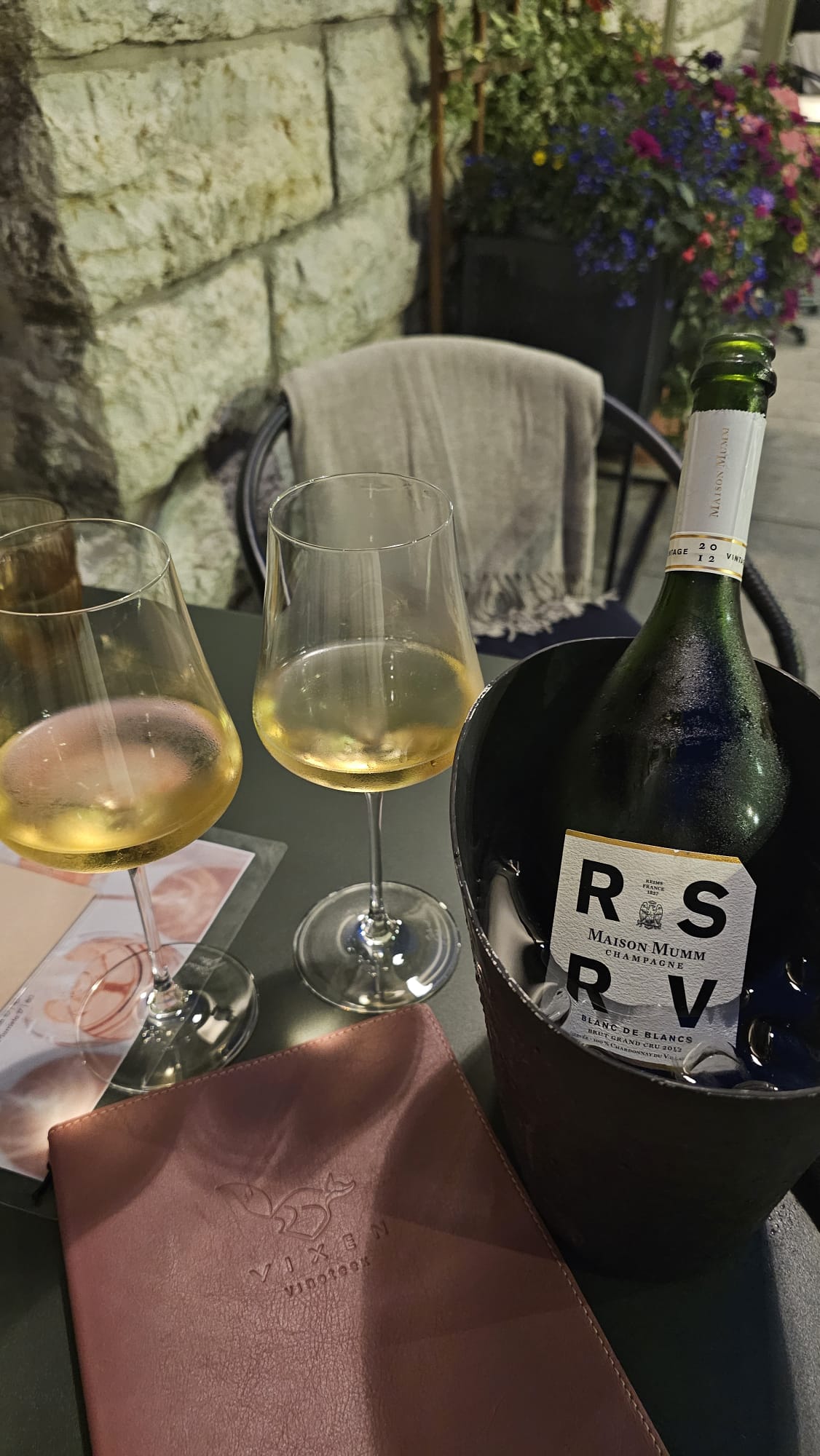
Champagne Hunters recommendation
Look for a vintage Champagne in a strong year or an exceptional grower Champagne that reflects the character of its village and vineyards.
Best Champagne over $100
Higher prices usually reflect longer aging, exceptional vineyard sites, limited production, or prestige cuvées.
That doesn’t automatically make these bottles “better,” but they often offer greater complexity and remarkable aging potential.
This category is ideal for life’s biggest milestones, significant anniversaries, or gifts that will be remembered for years.
Our favorite in this price range
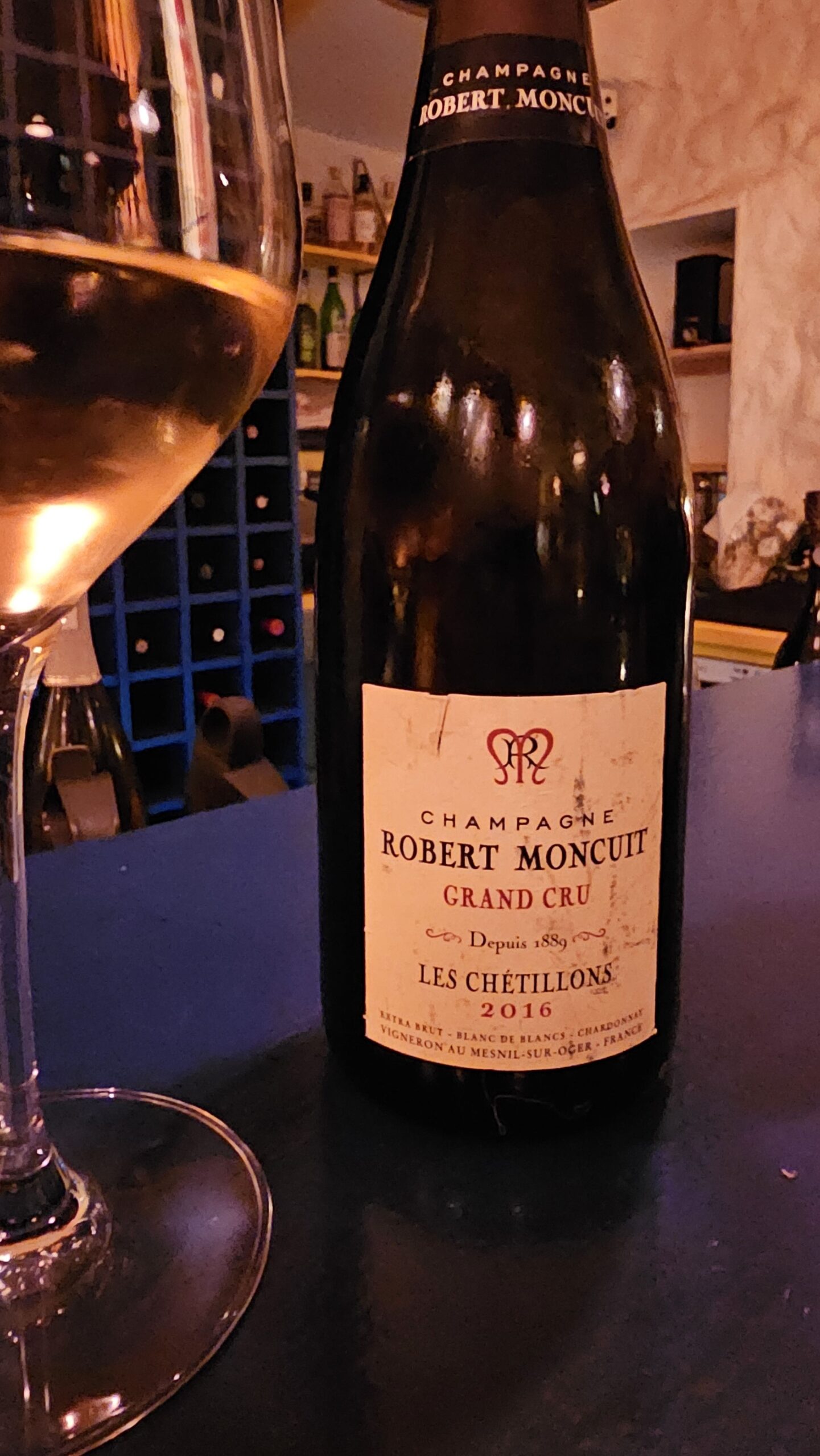
Champagne Hunters recommendation
Choose a prestige cuvée or an outstanding vintage Champagne that rewards slow drinking and deserves to be the centerpiece of the celebration. Or if you see 2008 vintage, those are our favorites.
Best Champagne for different occasions
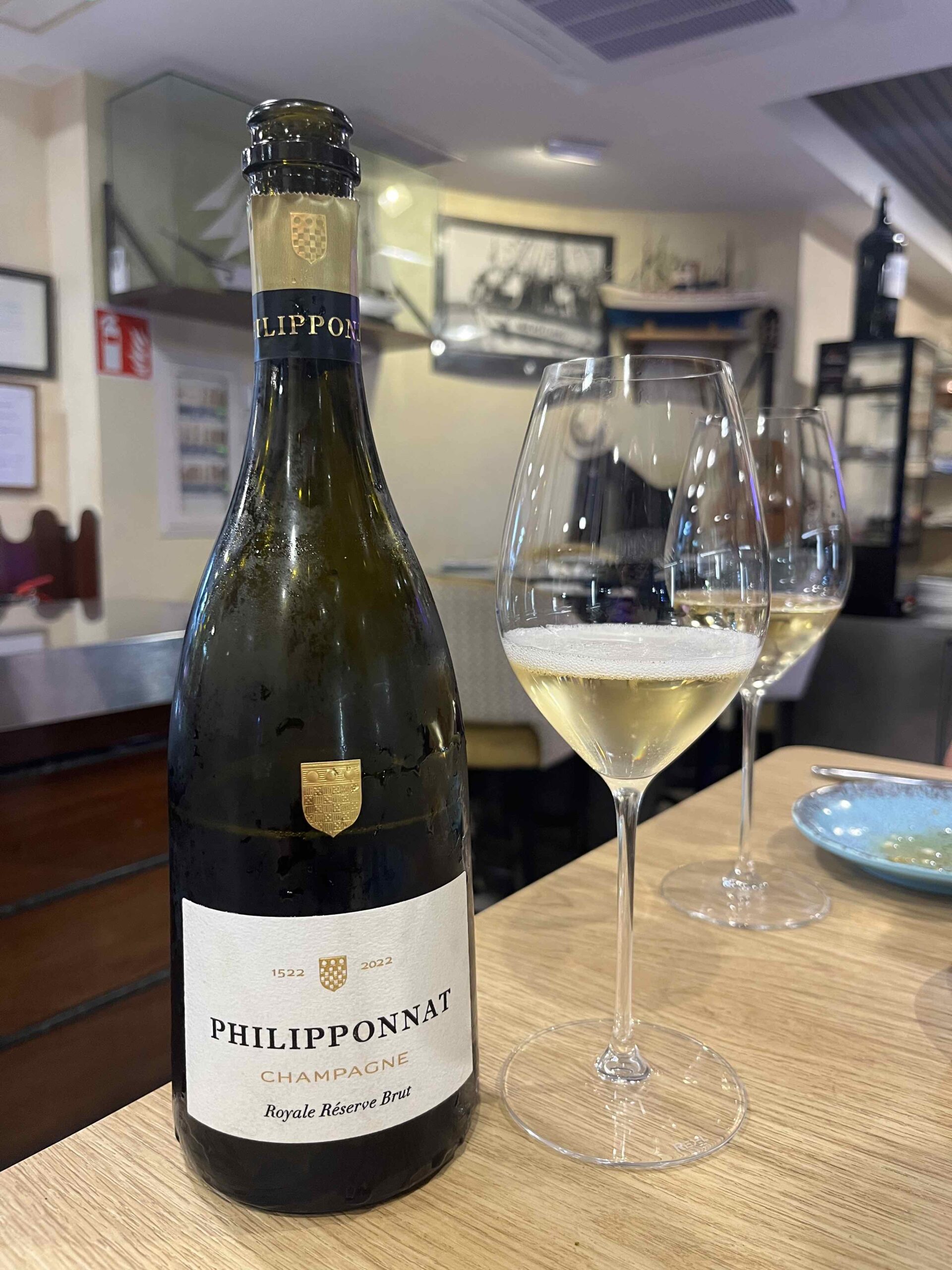
Best Champagne for a gift
A thoughtful bottle often means more than the most expensive one.
For someone new to Champagne, a classic non-vintage Brut from a respected producer is a safe choice. For a wine enthusiast, consider a grower Champagne or a vintage release they may not have tried before.
Our favorite gift Champagne
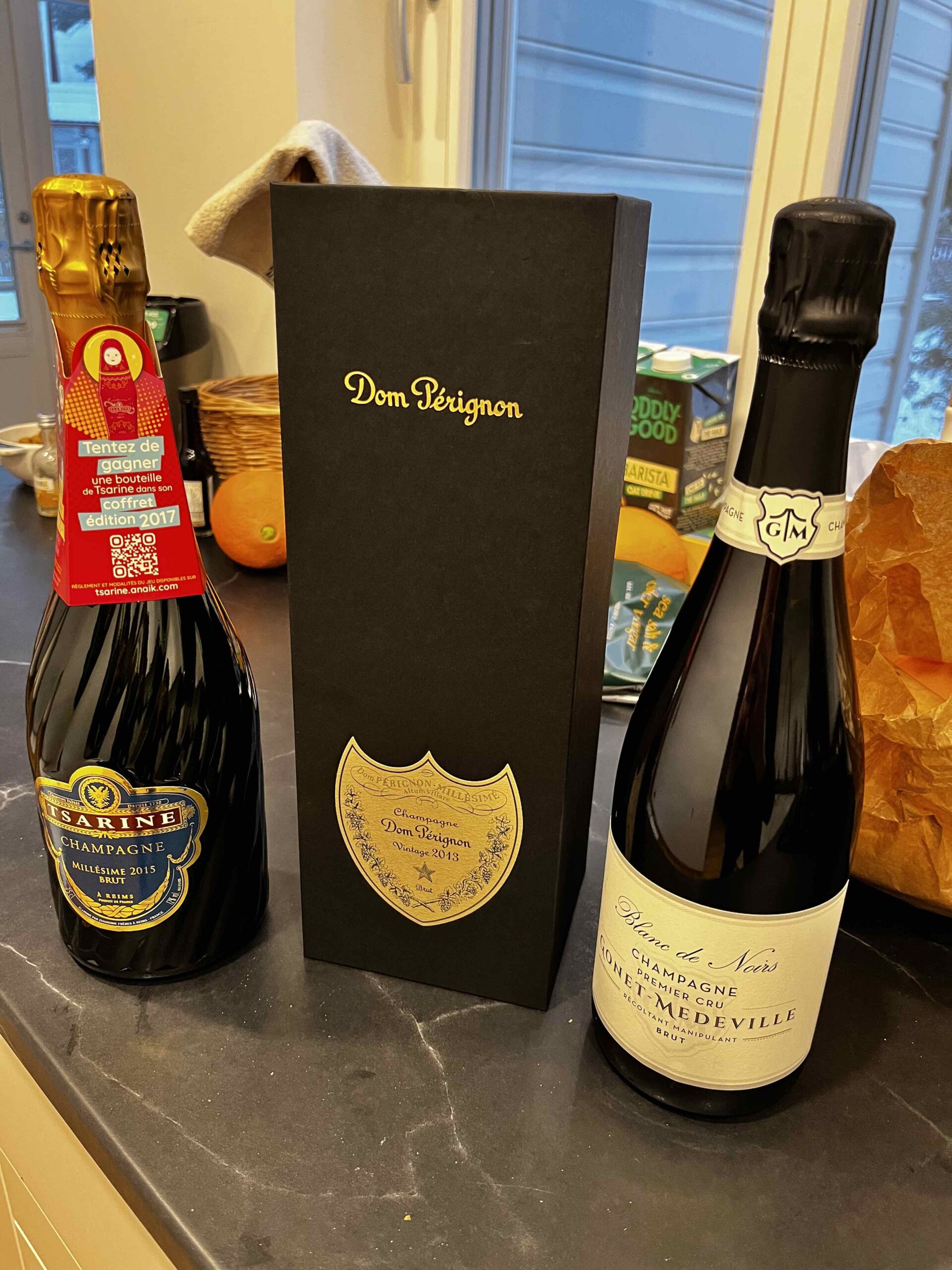
Best Champagne for a party
Hosting a larger group?
Choose a versatile Brut Champagne that pairs well with a wide variety of foods and appeals to different tastes. If you’re serving many guests, magnums are also worth considering because they make a beautiful centerpiece and often age exceptionally well.
Our favorite party Champagne
Best Champagne for a romantic evening
Rosé Champagne is a natural choice for a slower evening.
Its delicate pink color and aromas of strawberries, raspberries, and cherries create a sense of occasion before the first sip. It also pairs beautifully with salmon, duck, and berry desserts.
Best Champagne to drink with food
Champagne is one of the most food-friendly wines in the world.
A quality Brut pairs beautifully with seafood, fried chicken, roast poultry, creamy pasta, sushi, and aged cheeses. Instead of focusing on famous labels, choose a style that complements the meal.
House Champagne vs grower Champagne
One of the biggest decisions you’ll make isn’t about price. It’s about style.
House Champagnes are produced by well-known producers who blend wines from different vineyards and reserve wines to create a recognizable style year after year. If you enjoyed a bottle last year, chances are you’ll enjoy the next one too.
Grower Champagnes come from families who both grow the grapes and make the wine. Production is usually much smaller, and the wines often express the character of a specific village or vineyard more clearly.
If you’re buying Champagne for someone just beginning to explore the region, a respected house is a reliable choice. If you’re shopping for someone who enjoys discovering unique wines, a grower Champagne is often the more exciting option.
Champagne buying guide by budget
| Budget | What to look for | Champagne Hunters recommendation |
|---|---|---|
| Under $50 | Non-vintage Brut, freshness, smaller producers | Add your recommended bottle image |
| $50–100 | Longer lees aging, vintage or premium grower | Add your recommended bottle image |
| Over $100 | Prestige cuvée or exceptional vintage | Add your recommended bottle image |
Prices are approximate and vary by country, retailer, and producer.
Champagne Hunters tip
A higher price doesn’t always mean a better bottle.
Many outstanding grower Champagnes between $50 and $80 can outperform famous labels costing much more. Buy the style that suits the occasion, not simply the most recognizable name on the shelf.
FAQ
The best Champagne depends on your budget and the occasion. For most people, a quality non-vintage Brut offers the best balance of freshness, versatility, and value.
Many excellent non-vintage Brut Champagnes and grower Champagnes can be found for under $50. Look for freshness, balance, and fine bubbles rather than focusing only on well-known brands.
A vintage Champagne, prestige cuvée, or carefully chosen grower Champagne makes an excellent gift. Matching the bottle to the recipient’s taste is often more meaningful than choosing the most expensive option.
There isn’t one universal answer. Brut Champagne remains the most versatile style, while rosé, vintage, and blanc de blancs each suit different occasions and personal preferences.
Not necessarily. Higher prices often reflect longer aging, exceptional vineyards, or limited production, but many moderately priced Champagnes offer outstanding quality and value.
Conclusion
The best Champagne isn’t defined by a famous label or the highest price.
It’s the bottle that suits your budget, the people around the table, and the moment you’re celebrating. Whether you choose an approachable non-vintage Brut, a distinctive grower Champagne, or a bottle you’ve been saving for years, the real value comes from opening it and sharing it.
Because you don’t have to earn a reason to celebrate. You already are one.
Looking for your next favorite bottle?
Explore our interactive Champagne Map to discover great Champagne bars wherever your travels take you. And if you’d like more inspiration, sign up for our free Celebration Guide, packed with Champagne tips, travel ideas, and reminders that every day is worth celebrating.