Champagne city guide

Champagne Lovers’ Guide to Java: restaurants, bars and things to do

Java is the cultural and economic heart of Indonesia, combining busy cities, volcanic landscapes, ancient temples and one of the country’s most distinctive food traditions. Champagne is most at home in Java’s larger cities, particularly Jakarta and Bandung, where modern dining, luxury hotels and an international hospitality scene provide opportunities to enjoy Champagne. Away from the cities, the island offers a very different experience, with traditional villages, tea plantations and dramatic volcanic scenery.

1 spots on the map Updated August 2026 Open Java on the map
Map of Champagne locations in Java

Javanese food is known for its balance of sweet, salty, spicy and savoury flavours. Try nasi gudeg, a Yogyakarta speciality made with young jackfruit, rawon, a rich black beef soup, soto, gado-gado, tempeh and various forms of satay. Java is also one of the world’s important coffee-growing regions, with beans from areas such as East Java and around the Ijen highlands. Champagne can be an interesting match for fried snacks, seafood and lighter dishes, while its acidity offers a refreshing contrast to richer or spicier food.

There is plenty to discover beyond the food. Yogyakarta is one of Java’s most rewarding cultural destinations, with the nearby temples of Borobudur and Prambanan, traditional batik, Javanese arts and the historic Kraton. Jakarta offers museums, historic districts and a completely different urban experience, while Bandung is surrounded by volcanic landscapes and tea plantations. For dramatic scenery, the volcanic regions of East Java offer some of the island’s most memorable landscapes, including Mount Bromo and the Ijen area.

Java works particularly well for travellers who want Champagne to be part of a wider cultural journey. A day exploring temples or volcanic landscapes followed by a refined dinner in the city gives you a very different perspective on Indonesia’s food and drinking culture.
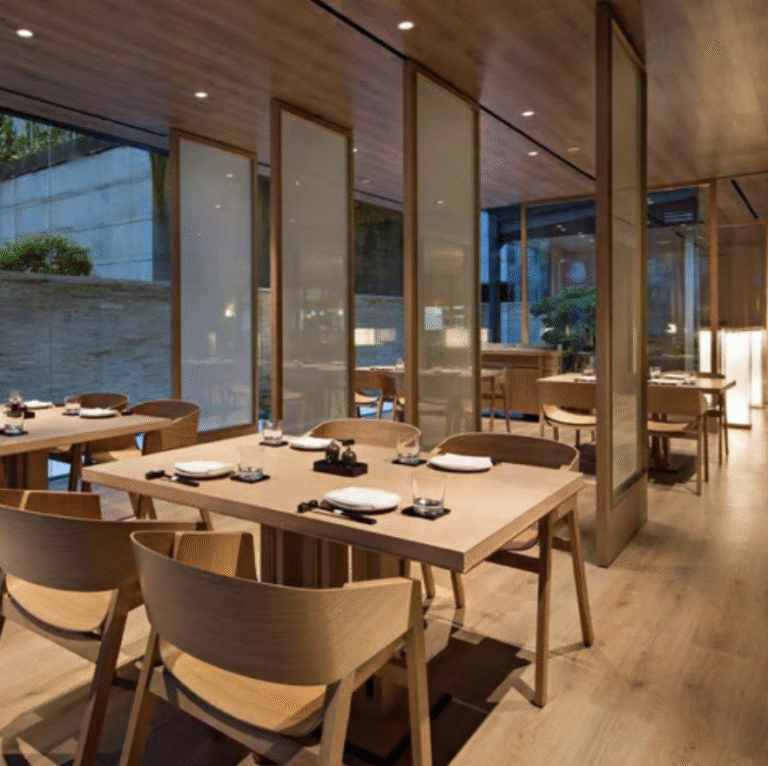
The spots

Featured partners are marked. Everything here is on our map.

Stay in the loop with Champagne Hunters

Join our community and be the first to hear about new Champagne spots, city guides, stories and other things worth knowing.

By signing up, you agree to receive emails from Champagne Hunters. You can unsubscribe at any time.

Know a spot in Java ?

Our map grows because Champagne hunters like you add the places they love. No sign-up needed.

Add a spot

Frequently asked questions

When is the best time to visit Java?

The dry season, generally from May to October, is usually the most comfortable time for exploring Java, particularly if you want to visit temples or hike in volcanic areas. Weather varies across the island, however, and the mountains can be considerably cooler than the cities and coastal areas.

What should I definitely do in Java?

Visit Borobudur and Prambanan, explore Yogyakarta’s Javanese culture and spend time discovering the island’s food. If you’re interested in nature, explore the volcanic landscapes around Mount Bromo or the Ijen area. In the cities, make time for a proper Indonesian dinner and experience Java’s coffee culture.

What food should I try in Java?

Try gudeg, rawon, soto, gado-gado, tempeh and local satay. Javanese cuisine often has a sweeter profile than some other Indonesian regional cuisines, so Champagne can provide a fresh and acidic counterpoint to richer dishes. Don’t leave without trying Javanese coffee, either.

Where can I experience Champagne in Java?

Champagne is most accessible in Java’s major cities, particularly in luxury hotels, fine-dining restaurants, wine-focused venues and sophisticated bars. Jakarta has the island’s most extensive international dining and hospitality scene, while Yogyakarta and Bandung offer a more relaxed combination of local culture and modern dining.

What other drinks should I try in Java?

Java is famous for its coffee, with distinct growing regions across the island. Try local Javanese coffee alongside traditional drinks such as wedang jahe, a warm ginger drink, or jamu, Indonesia’s traditional herbal beverage. Tea is also important, particularly around Java’s highland plantations.

Add a new location

Edit Location

Purchase options
Organic champagne available
Champagne Hunters recommends

Enter the website URL of the place

Add your email to join our exclusive, spam-free Champagne newsletter!

Paste Google Maps link for more accurate directions (optional)

Add up to 5 images to create a gallery for this location.