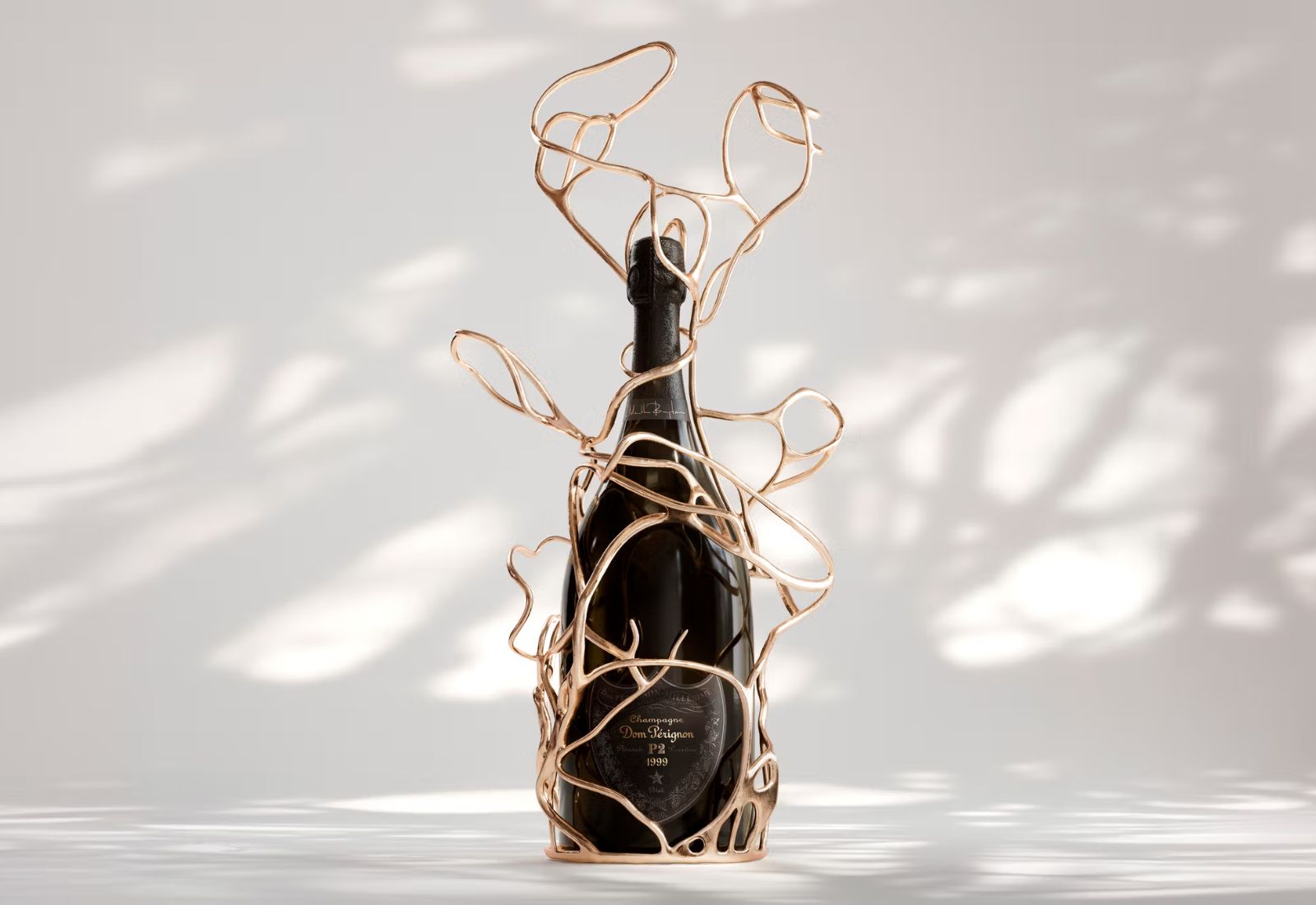
If you’ve ever googled “why is Krug so expensive?” you’ve already stepped into a corner of the wine world where prices look very different from entry-level bubbles. This is the territory of expensive champagne – bottles that can easily cost more than a weekend getaway, and in some cases, more than a small boat.
But why are some champagne houses consistently at the very top of the price ladder? Is it pure marketing, or is there something real behind the price tags?
In this guide, we’re not chasing one-off auction unicorns. Instead, we’re looking at champagne houses whose top cuvées are consistently among the most expensive champagnes in the world – and what, beyond the label, actually makes them so costly.
Table of contents
- What it means – expensive champagne?
- Krug – the house that only makes prestige cuvées
- Louis Roederer – Cristal and the taste of old-school luxury
- Dom Pérignon – the global icon
- Salon – minimal production, maximal cult status
- Jacques Selosse – the grower that became a legend
- Armand de Brignac – luxury designed from day one
- Bollinger – power, oak and rare treasures
- Egly-Ouriet – grower champagne at the top of the tree
- Comtes de Champagne and other prestige cuvées to watch
- Conclusion: is expensive champagne “worth it”?
How we’re defining “expensive champagne”
Champagne pricing can get messy very fast. A few things to keep in mind:
- We’re talking about prestige cuvées, not every bottle a house makes.
- We’re focusing on “normal” market prices, not charity auctions or celebrity-signed bottles.
- “Expensive” here usually means: entry prestige cuvées often start around €200–300+ per bottle at retail and rare single-vineyard/old-vintage releases can climb into the four-figure range.
Rare single-vineyard / old-vintage releases can climb into the four-figure range.
Also, price alone doesn’t automatically mean “better”. But in champagne, the houses at this level usually combine:
- exceptional vineyard holdings,
- long ageing,
- tiny production,
- and a brand story that collectors are willing to pay for.
With that in mind, let’s look at some of the most expensive champagne houses – and why their bottles cost so much.
Krug – the house that only makes prestige cuvées
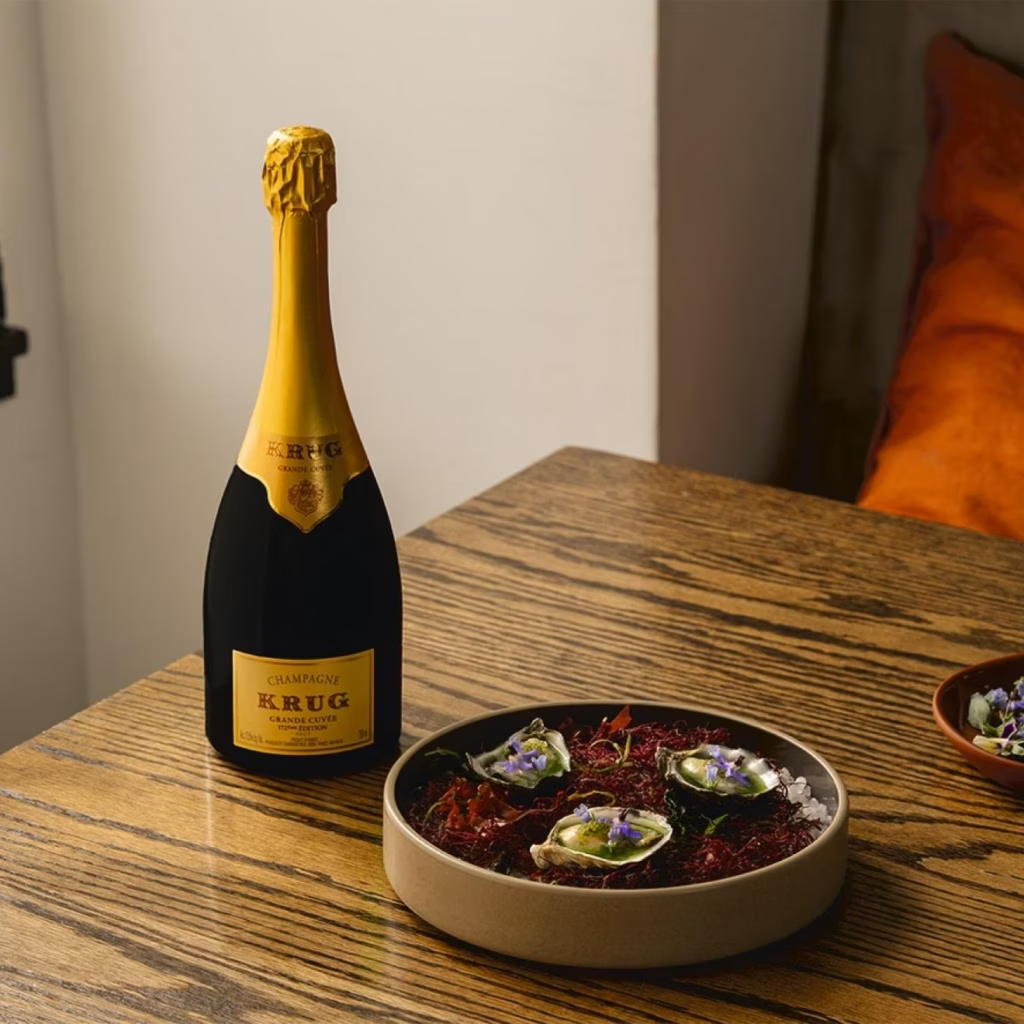
Krug is a good place to start, because it essentially lives in the “expensive champagne” category by design. The house is known for producing only prestige-level cuvées – including Krug Grande Cuvée, Krug Vintage, Clos du Mesnil and Clos d’Ambonnay.
Even the “entry” wine, Krug Grande Cuvée, is usually priced around the €200 mark or more per bottle, depending on market and edition. At the top end, single-vineyard bottlings like Clos d’Ambonnay can sell for several thousand euros per bottle at retail.
Why so expensive?
- Time and complexity – Grande Cuvée is built from a large number of base wines from different vintages, blended to create one house “idea” of champagne. That means huge reserve stocks and long ageing before release.
- Single-vineyard stars – Clos du Mesnil and Clos d’Ambonnay are made from walled plots with very limited production, driving up rarity and price.
- Brand positioning – Krug doesn’t try to play in the “affordable” category. Everything about the house is aimed at the very top end of the market.
If someone asks you why Krug is such an expensive champagne, the short answer is: because everything about it is built to be prestige-only – from vineyard to cellar to story.
Louis Roederer – Cristal and the taste of old-school luxury

Even if people don’t drink champagne, many still know the name Cristal. Created in the 19th century for the Russian Tsar, it has become one of the most famous (and sometimes most flaunted) prestige cuvées in the world.
A modern vintage of Cristal today typically sits somewhere around €200-300+ per bottle at retail, depending on vintage and market, with older or rarer years fetching significantly more.
Why so expensive?
- History and status – Cristal was literally designed for royalty. That story still carries weight.
- Vineyard quality – Roederer owns a large proportion of its vineyards, including many grand cru and premier cru sites, and farms them increasingly with organic and biodynamic methods.
- Viticulture-driven style – Cristal is polished luxury, but behind it sits very serious work in the vineyard and cellar. It’s not just a pretty bottle.
Louis Roederer also produces more “accessible” wines, but at the top, Cristal and Cristal Rosé are textbook examples of expensive champagne that combines image and substance.
Dom Pérignon – the global icon
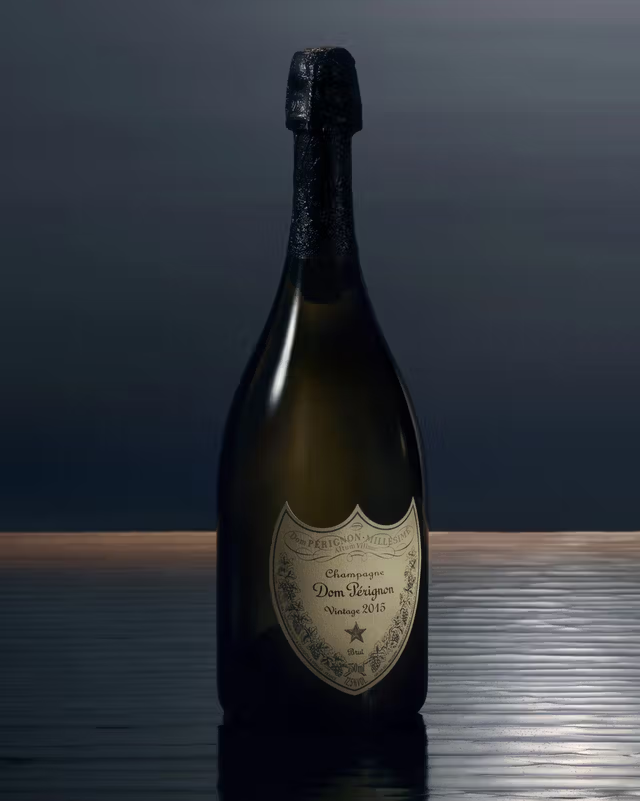
Technically, Dom Pérignon is the prestige cuvée of Moët & Chandon, but it functions as its own global brand. When many people say “fancy champagne”, they mean Dom Pérignon.
Standard vintages of Dom Pérignon often sit below Krug or Cristal in price, but still firmly in premium territory. Limited late-release versions like P2 and P3 move much higher.
Why so expensive?
- Global recognition – Dom Pérignon is possibly the most recognised luxury champagne label worldwide. That recognition allows for premium pricing.
- Vintage-only philosophy – Dom Pérignon doesn’t make non-vintage wines under that label. Every release is a vintage, combining selected parcels and long ageing.
- Late-release tiers – The P2 and P3 bottlings (released after much longer ageing on lees) push Dom Pérignon further into the high-luxury price bracket.
Dom Pérignon sits at an interesting intersection: it’s both widely available and still very much part of the expensive champagne conversation.
Salon – minimal production, maximal cult status
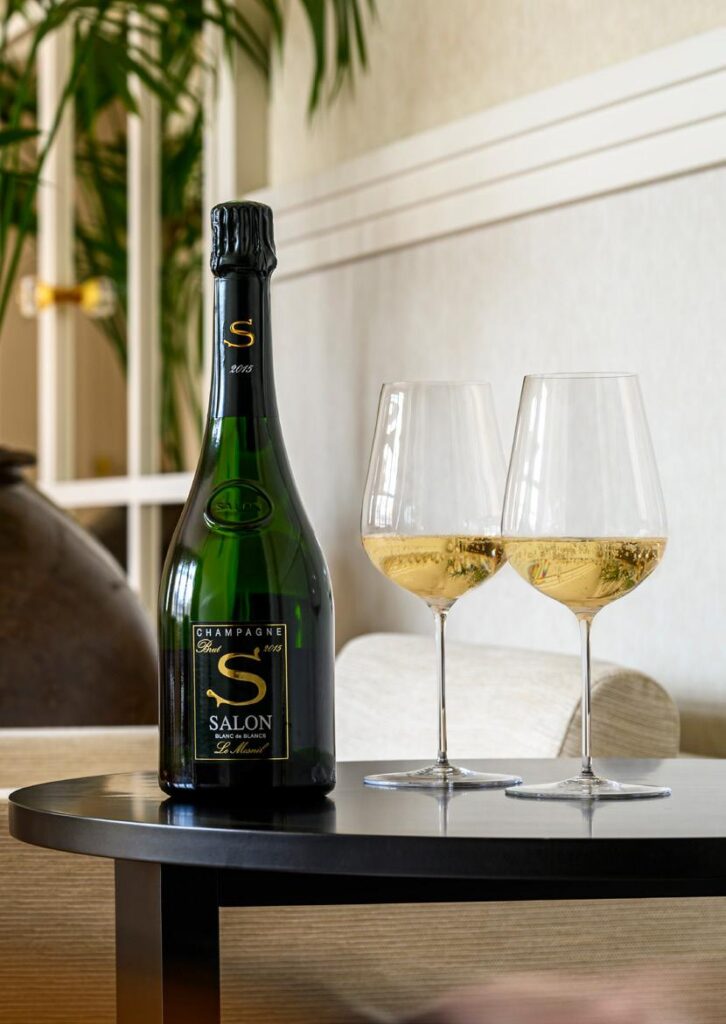
If Krug is about complexity and range, Salon is about radical simplicity: one village, one grape, one style. Champagne Salon produces only a Blanc de Blancs from Le Mesnil-sur-Oger, and only in vintages the house considers worthy.
Current and recent releases of Salon can easily approach or exceed €900–1,000 per bottle at retail, and older formats like magnums from top vintages can cost several thousand euros.
Why so expensive?
- Tiny production – Relative to big houses, Salon makes very little wine. Some vintages are not even produced.
- Single-village, single-style – The entire brand is built around a very pure expression of grand cru Chardonnay from Le Mesnil.
- Collector demand – Limited supply + strong critical acclaim = intense demand from collectors and high-end restaurants.
Salon is a textbook example of how scarcity plus quality can make a champagne house one of the most expensive in the region.
Jacques Selosse – the grower that became a legend
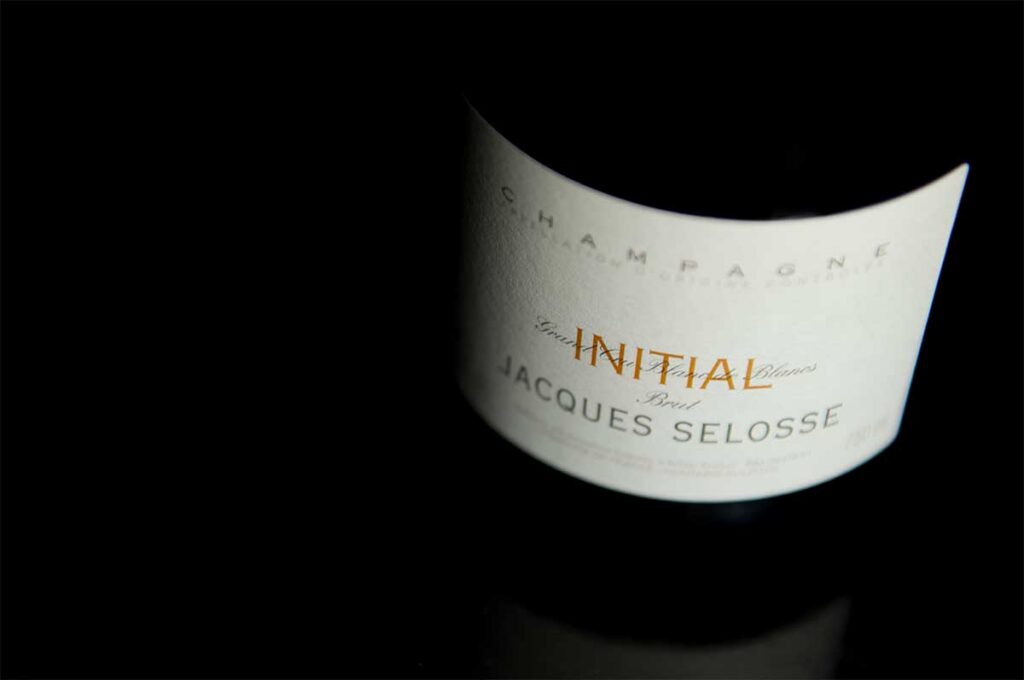
While many of the names on this list are grandes marques, Jacques Selosse is a grower-producer that has achieved almost cult-like status. Under Anselme Selosse, the domaine became known for its distinctive, oxidative, terroir-driven style and extremely limited production.
Price ranges for Selosse champagnes are wide, but many cuvées are now well into the high hundreds or low thousands of euros at retail, with overall listings for the producer often between about €400 and €4,000+ depending on bottling and vintage. Individual cuvées like V.O. (Version Originale) commonly sit in the mid-hundreds.
Why so expensive?
- Singular style – Selosse doesn’t taste like “generic champagne”. It’s powerful, often oxidative, and very expressive. That uniqueness drives cult demand.
- Tiny allocations – Quantities are small, allocations are strict, and secondary market prices reflect that scarcity.
- Influence – Many younger growers cite Selosse as an inspiration, which only elevates the myth further.
If you’re exploring expensive champagne beyond the big houses, Selosse is one of the first names you’ll encounter.
Armand de Brignac – luxury designed from day one
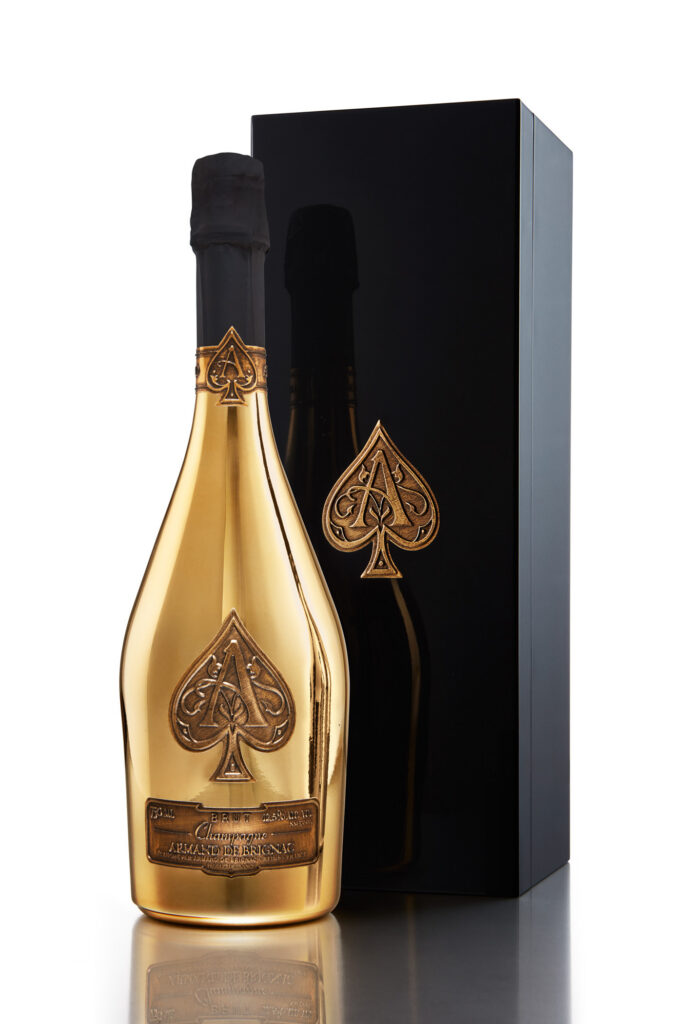
Known widely as the “Ace of Spades”, Armand de Brignac is a relatively young brand compared to Krug or Roederer, but it entered the market with a clear goal: high luxury positioning.
The line-up includes a Brut Gold, Rosé, Blanc de Blancs and other cuvées, many of which are priced well above typical non-vintage champagne. Special releases and large formats push much higher.
Why so expensive?
- Deliberate luxury branding – The metallic bottles, ace-of-spades logo and high-end marketing clearly target the luxury and nightlife segment.
- Small-scale production – Although backed by serious money, the wines are still produced in limited quantities compared to mass brands.
- Celebrity factor – High visibility in music and pop culture has helped push demand and justify price.
Armand de Brignac is a reminder that in the world of expensive champagne, perception and positioning can be as important as history.
Bollinger – power, oak and rare treasures

Bollinger is a historic house with a distinctive, Pinot Noir-driven, often oak-aged style. While its standard Special Cuvée is relatively accessible, the top of the range moves firmly into expensive territory: think La Grande Année, R.D. and particularly the ultra-rare Vieilles Vignes Françaises, made from ungrafted vines in tiny walled plots.
Why so expensive?
- Old-vine rarity – Vieilles Vignes Françaises comes from pre-phylloxera rootstock, which is incredibly rare in Champagne and yields minuscule quantities.
- Oak and ageing – Bollinger’s commitment to barrel fermentation and long cellar ageing adds cost and complexity.
- Strong identity – Lovers of rich, vinous champagne often gravitate towards Bollinger’s style, and they’re willing to pay for the top bottlings.
Bollinger proves that even within bigger houses, specific cuvées can climb deep into expensive champagne territory.
Rare Champagne – prestige born from a “one-off” idea
Originally the prestige cuvée of Piper-Heidsieck, Rare Champagne has since evolved into its own standalone brand. Released only in selected vintages, Rare often comes in striking, jewelled-looking bottles and is positioned firmly at the high end of the market.
Why so expensive?
- Limited release vintages – Rare is not produced every year, and each release is blended to express a particular character of the vintage.
- Distinct identity – Both the glass and the liquid inside are designed to feel special and separate from the rest of the Piper-Heidsieck world.
- Mature releases – Rare often spends a long time on lees, adding both cost and complexity.
If you like the idea of a standalone prestige label with a strong story, Rare sits comfortably in the expensive champagne landscape.
Egly-Ouriet – grower champagne at the top of the tree
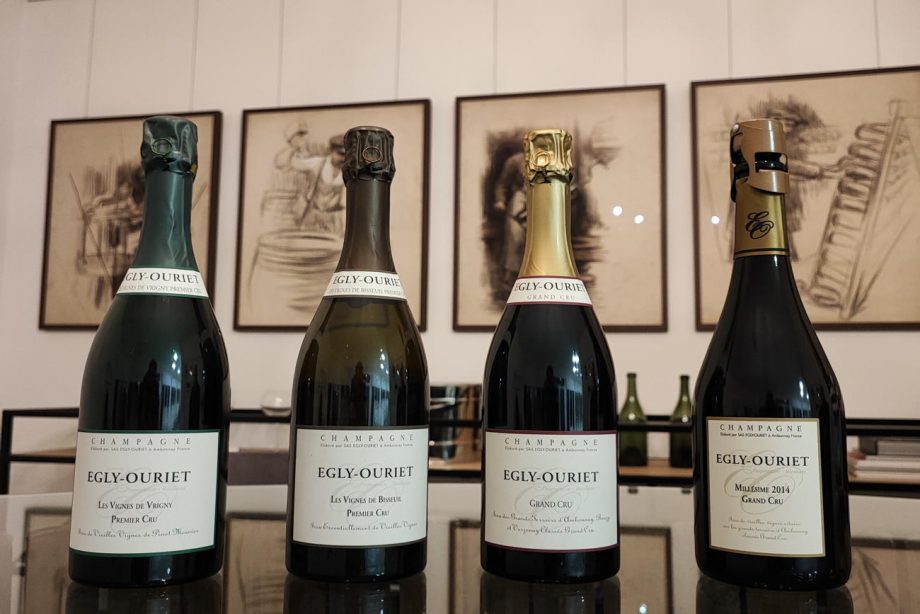
Another grower whose bottles frequently appear on “most wanted” lists is Egly-Ouriet. Known for powerful, terroir-driven champagnes from Ambonnay and surrounding villages, Egly-Ouriet produces relatively small quantities, and prices have risen accordingly.
Why so expensive?
- Terroir focus – Old vines, low yields and serious work in the vineyard translate into dense, structured wines.
- Low production – Small volumes mean there simply isn’t much to go around, especially for top bottlings.
- Reputation among sommeliers and collectors – As more people discover grower champagnes, Egly-Ouriet’s reputation keeps pushing demand.
Egly-Ouriet sits in the same conversational space as Selosse: cult grower champagne that often costs more than many big-house labels.
Comtes de Champagne and other prestige cuvées to watch
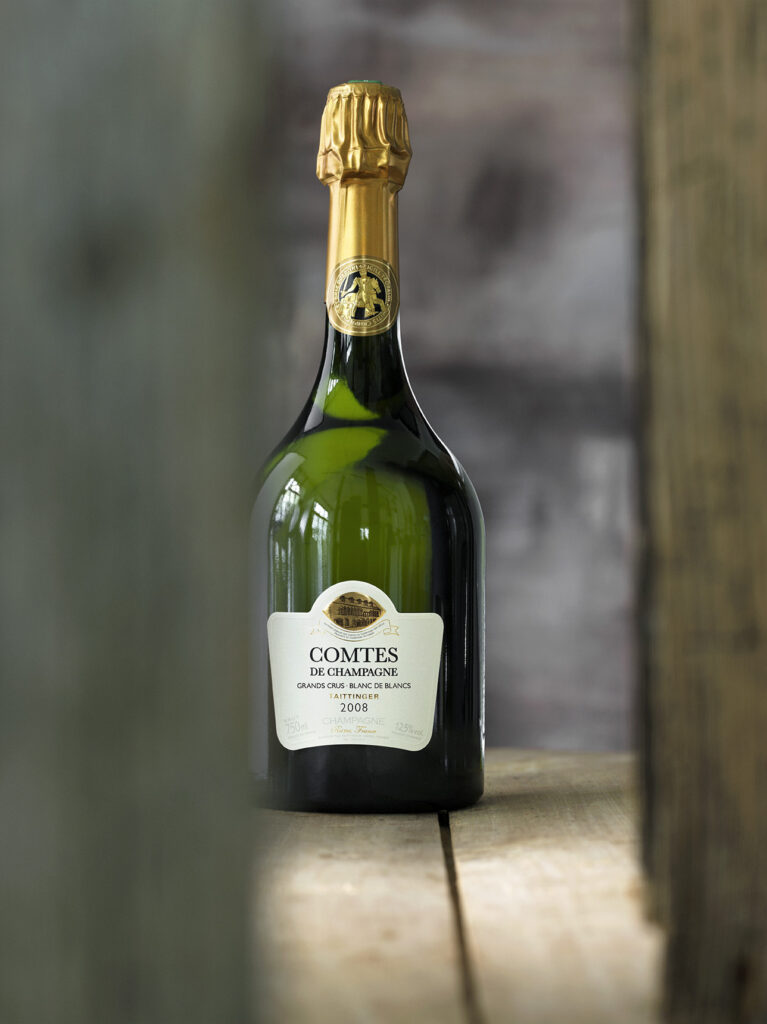
Several other houses have prestige cuvées that regularly nudge into expensive champagne territory, even if the brand as a whole isn’t “ultra-luxury” in every tier. Examples include:
- Taittinger Comtes de Champagne – a benchmark Blanc de Blancs from grand cru Chardonnay.
- Pol Roger Cuvée Sir Winston Churchill – a rich, long-lived prestige cuvée created in honour of one of the house’s most famous fans.
- Billecart-Salmon Clos Saint-Hilaire – a single-vineyard, Pinot Noir–based champagne from a walled plot, produced in tiny quantities.
These bottles show that you don’t have to be a “most expensive champagne house” across the board to produce one or two cuvées that sit at the very top end of the market.
So… is expensive champagne “worth it”?
There’s no single answer, because people buy expensive champagne for different reasons:
- Some are chasing rarity and collectability.
- Others are looking for a specific style they can’t find in more affordable bottles.
- And sometimes, it’s simply about marking a once-in-a-lifetime moment with a bottle that feels as special as the occasion.
What is clear is that high prices rarely come out of nowhere. In almost every case on this list, the cost reflects a mix of:
- demanding viticulture and vineyard choices,
- long ageing and complex cellar work,
- limited production,
- and a powerful brand story.
Have you tried any of the prestige cuvées yourself?
If champagne is something that interests you, come follow Champagne Hunters on instagram and definitely check out the worldwide map of restaurants that serve champagne. And if you see champagne in the menu, definitely come add this place to our map too!